Cart
0
Why does your expensive glass still look foggy even after a deep clean? Your piece isn't actually dirty; it's being held hostage by molecular mineral bonds that standard soaps and alcohol can't touch. It's a total vibe killer to see those stubborn, ghostly white clouds on a high-end setup. If you've been searching for how to remove hard water stains from glass bong surfaces without wasting hours scrubbing, you're finally in the right place. You deserve that factory-fresh transparency back, not a dull, rough texture that ruins your flavor and your aesthetic.
The good news is that those "permanent" stains are completely reversible with the right approach. This 2026 restoration guide reveals the professional techniques used to eliminate mineral cloudiness instantly. We are moving past weak DIY vinegar soaks and into high-performance surface-tension disruption. You will learn the exact routine to restore showroom clarity and keep your glass looking brand new forever. Let's get that elite shine back right now.
Key Takeaways
- Stop guessing why your glass stays cloudy; learn how molecular mineral bonds trap calcium ions inside your piece's surface lattice.
- Master the professional technique for how to remove hard water stains from glass bong setups to achieve instant, factory-level transparency.
- Skip the weak DIY myths and use high-performance formulas designed for rapid "soak and rinse" results without the 24-hour wait.
- Discover why a two-stage clean starting with Bongo Glass Cleaner is the only way to fully eliminate both resin and inorganic buildup.
- Implement a reliable maintenance routine using distilled or reverse osmosis water to lock in that showroom shine permanently.
What Are Hard Water Stains and Why Do They Ruin Your Glass?
Hard water stains aren't just dirt. They are inorganic mineral deposits left behind when water evaporates. This process creates a ghostly, white fog that refuses to budge. Most tap water has a high mineral content, specifically calcium and magnesium. When this water sits or dries inside your piece, it leaves behind a crystalline lattice that bonds to the borosilicate. It’s frustrating. It’s stubborn. And it makes your high-end glass look cheap. If you've been struggling with how to remove hard water stains from glass bong pieces, you know that standard soap just won't cut it.
To better understand this concept, watch this helpful video:
The "Cloudy Bong" phenomenon is a total nightmare for collectors. You finish a deep clean, the resin is gone, but the glass still looks hazy. This isn't a cleanliness issue; it's a chemistry issue. Mineral buildup creates surface friction inside your piece. This friction traps bacteria and makes future resin buildup even harder to remove. Beyond performance, these stains kill the resale value of heady glass. Functional art should be transparent, not muted by a layer of rock. You want that showroom clarity, not a piece that looks like it was pulled from a dusty basement.
The Difference Between Resin and Mineral Scaling
Resin is organic, sticky, and hates water. It's why 99% isopropyl alcohol and salt work so well to dissolve it. Minerals are different. They are inorganic and crystalline. Your standard "salt and alcohol" method fails on white fogginess because alcohol doesn't dissolve calcium. You need to know if you're dealing with "bloom" or surface deposits. Surface deposits sit on top; bloom is actual glass corrosion. If you're looking for how to remove hard water stains from glass bong setups, you first need to identify that it's a mineral problem, not a resin one. Knowing the difference saves you hours of pointless scrubbing.
Common Culprits: Calcium, Magnesium, and Silica
Tap water chemistry varies wildly across the country. Some regions have heavy lime, while others deal with silica or iron. Every time you rinse with tap water, you're adding layers of scale. Heat actually makes this worse. Using warm water rinses can accelerate mineral bonding by speeding up evaporation and chemical reactions on the glass surface. Calcium carbonate is the primary cause of bong cloudiness and requires a specific acidic or high-performance approach to break down. If DIY fixes like vinegar aren't cutting it, it's time for a professional solution like Bongo Glass Cleaner to restore that factory shine instantly. Don't let tap water ruin your investment.
The Chemistry of Glass Restoration: How to Break the Bond
Borosilicate glass is the industry standard for a reason. It's tough. It's heat-resistant. But at a microscopic level, it isn't perfectly flat. It contains tiny pores and ridges that act like a trap for minerals. When hard water evaporates, calcium and magnesium ions don't just sit on the surface. They "lock" into this lattice through molecular adhesion. This creates a bond that feels like it's part of the glass itself. It's why a simple rinse never works. You aren't just washing away dirt; you're trying to de-bond a mineral structure from a glass matrix.
To break this bond, you need more than just friction. You need a specific chemical reaction to dissolve the alkaline mineral scale. Hard water deposits are basic on the pH scale. To neutralize them, you must introduce an acidic solution that can penetrate the crystalline structure. This is the fundamental rule for anyone looking for how to remove hard water stains from glass bong surfaces effectively. Without the right pH balance, you're just moving the cloudiness around rather than eliminating it.
Surface tension is your final hurdle. High-quality bongs often feature complex percolators with tight corners and narrow slits. If your cleaner has high surface tension, it just beads up and rolls over the stains. You need a formula with low surface tension that can "wet" the surface. This allows the cleaner to soak into those microscopic pores and lift the minerals away. It's the difference between a surface-level wipe and a deep, molecular restoration.
Why Standard Cleaners Struggle with Hard Water
Most people reach for 91% Isopropyl alcohol. It's a fantastic polar solvent for resin because it dissolves organic oils instantly. But minerals are inorganic. Alcohol won't touch them. This leads to the frustrating "ghosting" effect. Your glass looks crystal clear when it's wet, but as soon as it dries, the white fogginess returns. Professional-grade formulas solve this by using chelating agents. These molecules act like tiny claws, grabbing onto calcium ions and pulling them out of the glass lattice so they can be rinsed away forever.
Restoring Factory Clarity to Heady Glass
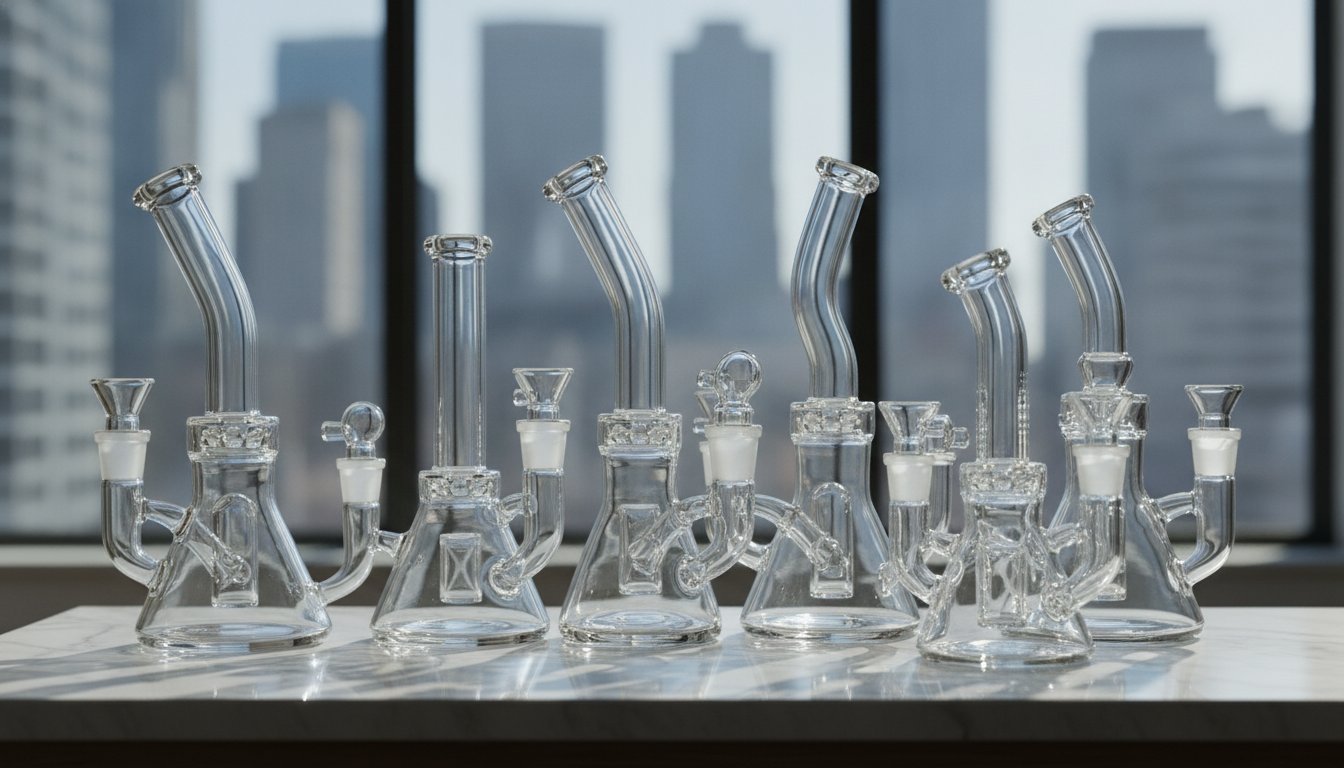
Heady glass often features intricate, thin-walled percolators. These are functional art, and they are delicate. Using abrasive salts or coarse brushes is a recipe for disaster. Abrasives cause micro-scratches that trap even more minerals, leading to permanent fogginess. You need a solution that works chemically, not mechanically. Bongo Glass Cleaner utilizes advanced chemistry to dissolve deposits without the need for aggressive scrubbing. It preserves the structural integrity of your piece while delivering that factory-level shine. If you want to see your glass at its absolute best, using a high-performance Bong Cleaner is the definitive tool for the job.
Vinegar vs. Professional Formulas: What Actually Works?
The internet is full of DIY myths. Vinegar and baking soda are the "go-to" suggestions on every forum. They're also the slowest way to get results. When you're trying to figure out how to remove hard water stains from glass bong pieces, time is your most valuable asset. Household vinegar is weak. It lacks the concentration to penetrate deep mineral bonds quickly. You end up waiting 24 hours for a result that’s often just okay. That's not efficiency; that's a waste of a session.
The science is clear. Water hardness is measured by the amount of dissolved calcium and magnesium in your local supply. These minerals create a rock-hard crystalline structure over time. A 5% acid solution like white vinegar barely makes a dent in heavy scaling. You'll find yourself scrubbing for hours or repeating the soak three times. The hidden cost of DIY is the frustration of constant failure. Professional formulas are engineered to work on contact, saving you the headache of repeated attempts.
Flavor matters. Vinegar leaves a lingering, acidic scent that’s notoriously hard to wash out. Lemon juice contains natural sugars that can actually feed bacteria if not rinsed perfectly. Professional-grade cleaners are designed to be flavor-neutral. They strip the stains and rinse away completely. Your glass stays pure. Your terpene profile stays intact. You get a showroom shine without the "salad dressing" smell.
The Vinegar and Lemon Juice Test
DIY methods are strictly for light maintenance. If you have a faint spot from a single session, a lemon might help. If you have a cloudy bong with months of buildup, it won't. Acid concentration in household products is simply too low for heavy-duty restoration. You need professional intervention to handle stubborn 2026-level scaling. Don't settle for "good enough" when you can have factory-fresh clarity in a fraction of the time.
The Bongo Glass Cleaner Advantage
Speed is the ultimate metric. Why wait days when you can be done in minutes? Bongo Glass Cleaner uses dual-action technology to attack both organic resin and inorganic mineral stains simultaneously. It’s the definitive heavy-duty alternative for serious collectors. For the best results, check out The Ultimate Water Pipe Cleaning Kit to see how to achieve professional clarity in record time. It's the fastest way to learn how to remove hard water stains from glass bong setups while ensuring your glass looks brand new every single time.
Step-by-Step: How to Remove Hard Water Stains from Your Bong
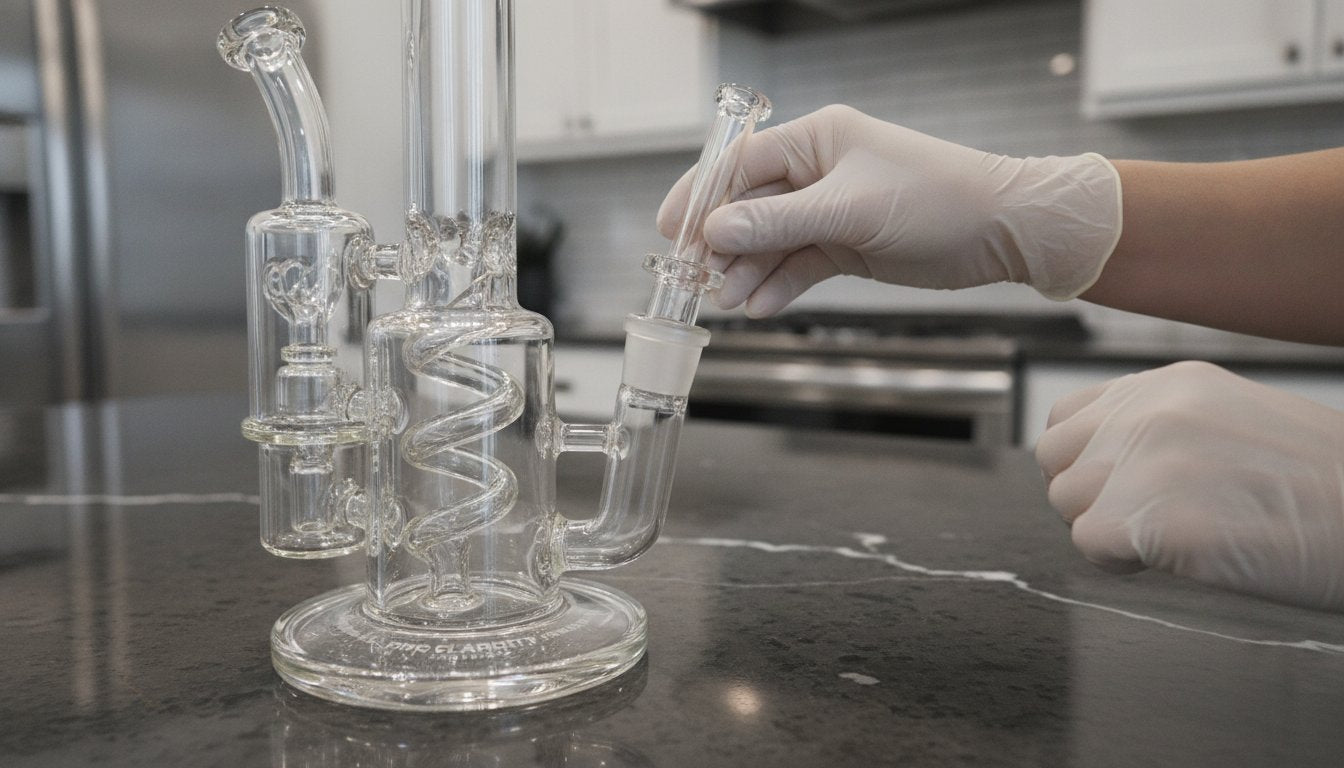
Action starts now. You want that showroom clarity? Follow this precise protocol. First, strip your piece down to the essentials. Remove the bowl, the downstem, and any clips. Empty every drop of old water. You need total access to the internal chamber to ensure the cleaner reaches every square millimeter of the glass lattice. This isn't a quick rinse; it's a total restoration of your investment.
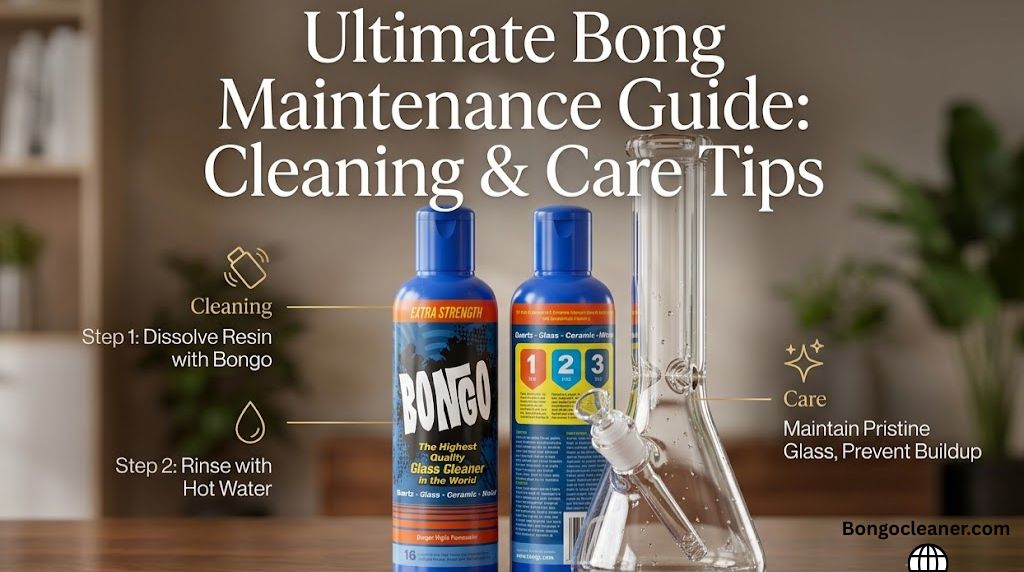
The initial flush is the foundation of success. You cannot reach inorganic minerals through a layer of organic resin. Use Bongo Glass Cleaner to strip away the sticky gunk first. This fast-acting formula dissolves resin on contact, exposing the hidden mineral cloudiness underneath. Once the resin is gone, you can finally see the true extent of the scaling. This two-stage approach is the secret to learning how to remove hard water stains from glass bong setups like a professional.
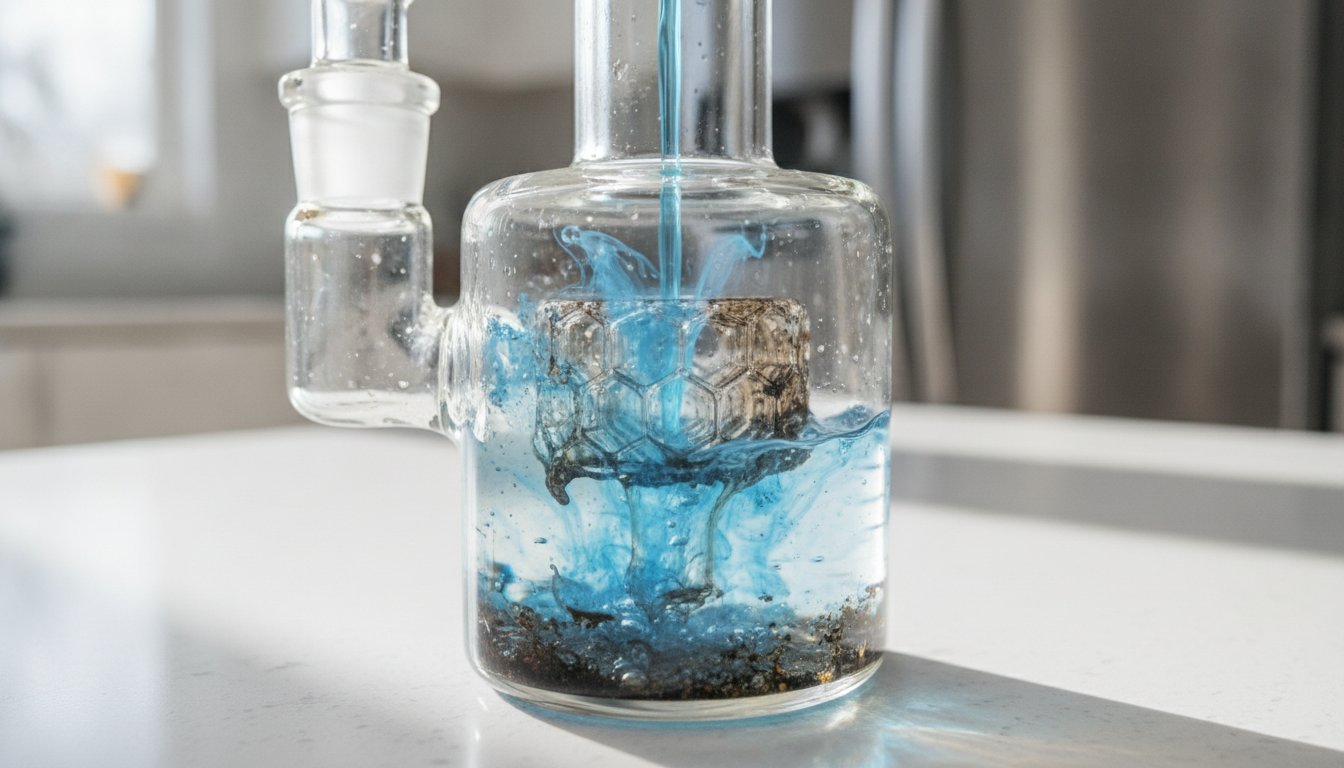
Now, execute the targeted mineral attack. Pour your cleaner into the chamber and use the soak-and-swirl technique. Focus your energy on the cloudy areas where water usually sits. Let the chemistry do the heavy lifting for 5 to 10 minutes. Finally, rinse and dry immediately. A final rinse with distilled water is mandatory. Tap water contains the very minerals you just removed. If you let tap water air-dry inside your piece, you're just inviting the stains back instantly. Use a clean microfiber cloth to polish the exterior for that elite, factory-fresh shine.
Clearing Intricate Percolators and Downstems
Complex glass art has "dead zones" where minerals love to hide. For these tight spots, use the hydraulic action method. Plug the openings and shake the piece vigorously to force the cleaner through tiny perc holes. This pressure disrupts the surface tension of the mineral bonds. If your downstem is still looking foggy, check out our specific guide on How to Clean a Glass Downstem for targeted restoration techniques.
The Final Polish for Crystal Clarity
Inspect your glass under a bright light. If the cloudiness remains after a deep soak, you might be looking at "glass bloom," which is permanent oxidation. However, most stains will vanish with a proper finish. For daily maintenance, use this 5-minute flash soak to keep your piece perfect:
- Pour 2 ounces of Bong Cleaner into the base.
- Swirl the solution for 60 seconds to coat all internal surfaces.
- Let the piece sit for 3 minutes to allow the chelating agents to work.
- Rinse thoroughly with warm distilled water.
- Dry the glass immediately with a microfiber towel to prevent new spots.
Ready to see your glass at its absolute best? Grab a bottle of Bongo Glass Cleaner and restore your piece to showroom clarity today.
Pro Maintenance: Preventing Future Hard Water Buildup
Stop using tap water immediately. That is the golden rule of glass ownership. Every time you fill your piece with tap water, you are inviting calcium and magnesium to set up camp in your percolators. It is a cycle of destruction that ends in cloudy, ruined glass. If you want to stop worrying about how to remove hard water stains from glass bong setups, you must control the source. Switch to distilled water. Distilled water has zero mineral content, meaning there is nothing left behind when it evaporates. Reverse osmosis (RO) is a solid runner-up, but distilled is the only way to guarantee a spot-free finish every single time.
Your glass is an investment. Treat it like one. A weekly maintenance rinse with Bongo Glass Cleaner prevents permanent bonding before it even starts. Don't wait for the fog to appear. Stay ahead of the minerals. If you live in a high-humidity environment, storage matters. Keep your collection in a dry, temperature-controlled space. Moisture in the air can settle on the glass and trigger surface oxidation if you aren't careful. Consistency is the secret to that permanent showroom glow.
Water Additives and Surface Protection
Prevention is faster than restoration. Use organic water additives to create a protective barrier inside your piece. These additives prevent resin and minerals from sticking to the borosilicate lattice. Even better? Practice the "Dry Storage" method. Never leave water in your piece overnight. Stagnant water is a breeding ground for bacteria and the primary cause of deep-set mineral scaling. Empty it. Rinse it. Dry it. This simple habit keeps your glass pristine for years. For the busy daily smoker, a 30-second hot water rinse after every session will prevent 90% of future buildup.
Building a Professional Cleaning Kit
Elite clarity requires elite tools. A professional kit isn't just a bottle of alcohol and some salt. You need specialized silicone plugs to seal openings for a proper soak. You need flexible, non-abrasive brushes for those hard-to-reach chambers. Most importantly, you need a dedicated Bong Cleaner formula that targets both organic and inorganic buildup. Standard cleaners fail because they only do half the job. Bongo is the heavy-duty solution that ensures you never have to search for how to remove hard water stains from glass bong surfaces again. It is the definitive choice for serious collectors who demand perfection. Shop Bongo Glass Cleaner for a factory-fresh shine every time.
Experience Total Glass Clarity Right Now
Your piece is more than just a tool; it is a high-performance investment. Don't let stubborn mineral fogginess ruin your flavor or your aesthetic. You now have the professional blueprint to eliminate molecular bonds and restore factory transparency. Remember that the best defense is a proactive offense. Switch to distilled water, implement a weekly maintenance cycle, and stop relying on weak household acids that just don't get the job done. Knowing how to remove hard water stains from glass bong surfaces is the difference between a dull piece and a masterpiece.
It is time to ditch the overnight soaks. Our proprietary Bongo Glass Cleaner formula is fast-acting and specifically engineered to be safe for all borosilicate glass. We offer nationwide shipping across the US to get the definitive solution directly to your door. Stop scrubbing and start seeing clearly. Get the Bongo Glass Cleaner for Instant Restoration and experience the relief of a perfectly clean piece today. Your glass deserves to shine like the day you bought it.
Frequently Asked Questions
Can I use CLR or industrial descalers on my glass bong?
No, you should never use industrial descalers like CLR on your piece. These products are designed for household appliances and plumbing, not for glassware used for inhalation. They often leave behind toxic chemical residues that are incredibly difficult to rinse away completely. Stick to a dedicated Bong Cleaner that is specifically formulated for borosilicate glass to ensure your sessions remain safe and flavor-neutral.
Is the cloudiness in my bong permanent or can it be fixed?
Most cloudiness is a surface-level mineral issue that is entirely fixable. If the fogginess is caused by calcium or magnesium deposits, a professional-grade cleaner will dissolve the bond and restore clarity instantly. However, if the glass has been neglected for years, it might suffer from "glass bloom," which is actual corrosion of the glass surface. Surface stains vanish with chemistry; corrosion is permanent.
How do I remove hard water stains from a percolator I can't reach?
Use the "soak and swirl" method combined with a low-surface-tension cleaner. Since you can't reach these areas with a brush, you need a formula that penetrates tight slits and complex chambers through chemical action alone. This is the most effective strategy for how to remove hard water stains from glass bong interiors where physical scrubbing is impossible. Let the solution sit for 10 minutes to ensure every mineral bond is broken.
Why does my bong look clear when it's wet but cloudy when it's dry?
This is the "ghosting effect" caused by the way light interacts with mineral deposits. When the glass is wet, water fills the microscopic gaps in the crystalline mineral lattice, making the stains appear transparent. Once the water evaporates, the white calcium structure becomes visible again. You haven't actually cleaned the piece; you've just temporarily masked the buildup. You need an acidic or professional cleaner to fully dissolve those deposits.
Does Bongo Glass Cleaner work on both resin and water stains?
Yes, Bongo Glass Cleaner is a high-performance, dual-action formula. Most standard cleaners only target organic resin, leaving the inorganic mineral fog behind. Bongo is engineered to attack both sticky oils and rock-hard mineral scaling simultaneously. This saves you the hassle of using multiple products and cuts your total cleaning time down to just a few minutes. It is the definitive heavy-duty solution for total restoration.
Will vinegar and baking soda damage my expensive heady glass?
They won't chemically damage the glass, but they can be ineffective or even risky. Baking soda is a mild abrasive, and if you scrub too hard, you risk creating micro-scratches that trap more minerals later. Vinegar is often too weak to handle heavy scaling without a 24-hour soak. Your expensive heady glass deserves a non-abrasive, fast-acting chemical solution that delivers results without the need for aggressive physical scrubbing.
How often should I deep clean to prevent hard water buildup?
Aim for a full deep clean once a week to stay ahead of mineral bonding. If you use tap water daily, minerals start layering on the glass surface immediately. A quick weekly rinse with a professional cleaner prevents these layers from hardening into a thick, white crust. Consistency is the secret. It is much easier to prevent a stain than it is to restore a piece that has been cloudy for months.
What is 'glass bloom' and is it different from a water stain?
Glass bloom is a form of permanent oxidation, while a water stain is just a surface deposit. Water stains are additive; they sit on top of the glass and can be dissolved with the right cleaner. Bloom is subtractive; it happens when minerals are leached out of the glass itself, causing microscopic pits and fogginess. If your glass remains cloudy even after a professional-grade soak, you are likely dealing with permanent bloom rather than a simple stain.