Cart
0
A clogged downstem is the absolute killer of your glass's performance. It's the difference between a smooth, flavorful hit and a restricted, swampy mess. You know the frustration of stubborn, sticky resin that just won't budge. If you're searching for how to clean a glass downstem without the risk of breaking your favorite piece, you've come to the right place.
We're delivering the definitive, no-nonsense method to eliminate tar and restore factory-fresh clarity in minutes. While 91% Isopropyl Alcohol is a common $3.98 fix at retailers like Walmart, 2026 regulations like the PFAS bans in Maine and Colorado are pushing enthusiasts toward safer, high-performance formulas. We'll show you how Bongo Glass Cleaner dissolves buildup on contact for instant airflow improvement. It's time to stop scrubbing and start restoring your glass to its peak condition.
Key Takeaways
- Identify why the downstem is your glass's most critical component and why it requires specialized attention to maintain peak performance.
- Learn how to clean a glass downstem using high-impact solvents that dissolve resin on contact without the risk of breaking fragile components.
- Compare the benefits of a deep soak versus active agitation to find the fastest route for your specific level of buildup.
- Discover a definitive step-by-step restoration process that delivers professional clarity and eliminates stagnant odors in minutes.
- Establish a pro-level maintenance routine to stop resin from bonding and ensure every hit is smooth and unrestricted.
The Dirty Truth: Why You Must Clean Your Glass Downstem
Your downstem is the engine of your glass setup. It's the critical bridge between the bowl and the water, acting as the primary filter for every hit you take. While many enthusiasts obsess over the clarity of the main chamber, the downstem is actually the most important component to keep spotless. It's the first point of contact for hot smoke, which makes it a high-traffic magnet for thick, black resin. When this part is dirty, your entire experience suffers.
If you've noticed a tight, restricted draw, you're likely dealing with a massive airflow bottleneck. Neglected buildup doesn't just make your piece look cheap; it fundamentally ruins the flavor profile of your session. Stagnant resin has a sharp, acrid taste that masks the natural profile of your material. Learning how to clean a glass downstem isn't just about aesthetics. It's about performance, health, and pure taste. You want to breathe through glass, not a tube of old tar.
To see exactly how a clogged piece impacts your session, watch this quick breakdown:
Resin Accumulation: The Science of the Clog
Smoke enters the downstem at peak temperature and cools instantly as it hits the narrow glass tube. This rapid thermal shift causes tar and resin to condense and bond to the surface. It creates a "sticky trap" effect where every new hit adds a fresh layer of resin to the old, hardened buildup. This isn't just a performance issue; it's a hygiene crisis. Moist, resin-coated glass is a perfect environment for bacteria and biofilm to develop over time. Professionals rely on scientific glass cleaning methods to ensure these contaminants are fully stripped away, restoring the piece to a sanitary, factory-fresh state.
The Impact on Performance and Airflow
When your downstem is clear, air moves freely through the water. You get maximum diffusion and that satisfying, effortless bubble you expect from high-quality glass. As resin accumulates, it blocks the tiny diffusion slits or holes at the bottom of the tube. This forces you to pull harder, creating a heavy "drag" that makes the experience harsh and unsatisfying. Keeping your downstem crystal clear ensures your water pipe functions exactly as the manufacturer intended. It protects the integrity of the glass and keeps your airflow wide open for a smooth, high-energy session every single time.
Elite Supplies for Professional Downstem Restoration
Professional restoration starts with professional-grade gear. You wouldn't use dish soap to detail a supercar, so don't settle for household hacks when maintaining your glass. Many beginners fall into the trap of using boiling water, but this is a rookie mistake. Extreme heat causes thermal shock that can shatter even high-end borosilicate in seconds. If you want to master how to clean a glass downstem, you need a dedicated arsenal that prioritizes safety and speed.
Set up a stable, clutter-free workspace. Use a silicone mat or a soft towel to prevent the dreaded "clink" of glass on a hard counter. Wear gloves to keep your hands free of sticky tar and harsh odors. This isn't just about being neat; it's about hygiene. A deep clean is vital to prevent health risks, including a severe lung infection from contaminated bong water. High-performance cleaning is the only way to ensure your piece is truly sanitary.
Why Specialized Formulas Beat Salt and Alcohol
Salt and isopropyl alcohol are the most common DIY methods, but they're fundamentally inefficient. Salt is an abrasive that can leave microscopic scratches on your glass, creating new places for resin to hide. Isopropyl alcohol often leaves a cloudy, streaky finish that looks dull. Bongo Glass Cleaner is the industry standard because it dissolves resin chemically on contact. It strips away baked-on tar without the need for aggressive scrubbing. For a complete breakdown of the gear you need, check out our guide on The Ultimate Water Pipe Cleaning Kit. This professional approach delivers a crystal-clear restoration that DIY methods simply can't match.
Tools for Reaching Deep Into the Tube
The narrow geometry of a downstem makes it a challenge to reach every crevice. Learning how to clean a glass downstem effectively means reaching the spots you can't see. A set of soft-bristle brushes is essential for removing stubborn "ring" stains that form at the water line. For a total immersion soak, use heavy-duty zip-top bags or dedicated cleaning tubes. This ensures the solution stays in constant contact with every millimeter of the glass. When you're dealing with heavy buildup, using a specialized resin remover for glass provides the final polish that restores that factory-fresh shine. If you're ready for instant relief from a clogged piece, grab a bottle of Bong Cleaner and watch the resin vanish.
The Ultimate Soak vs. Shake Comparison
Choosing the right technique is the difference between a crystal-clear restoration and a trip to the glass shop for a replacement. Most generic guides suggest shaking everything with salt, but they ignore the fragility of high-end borosilicate. When you're deciding how to clean a glass downstem, you must evaluate the thickness of the glass and the complexity of the design. You have two primary paths: the Passive Soak or Active Agitation. One offers maximum safety; the other delivers instant speed.
Efficiency is king. While standard solvents like 91% isopropyl alcohol might take hours of soaking and repeated shaking to work, Bongo formulas deliver pro results in minutes. Standard DIY methods rely on friction, which increases the risk of micro-fractures in your accessories. Our high-energy formula targets the resin directly, reducing the amount of physical force required. Don't risk your glass by over-shaking. Choose the method that matches your gear's needs and get back to a smooth, unrestricted session.
The Passive Soak: Best for Fragile Glass
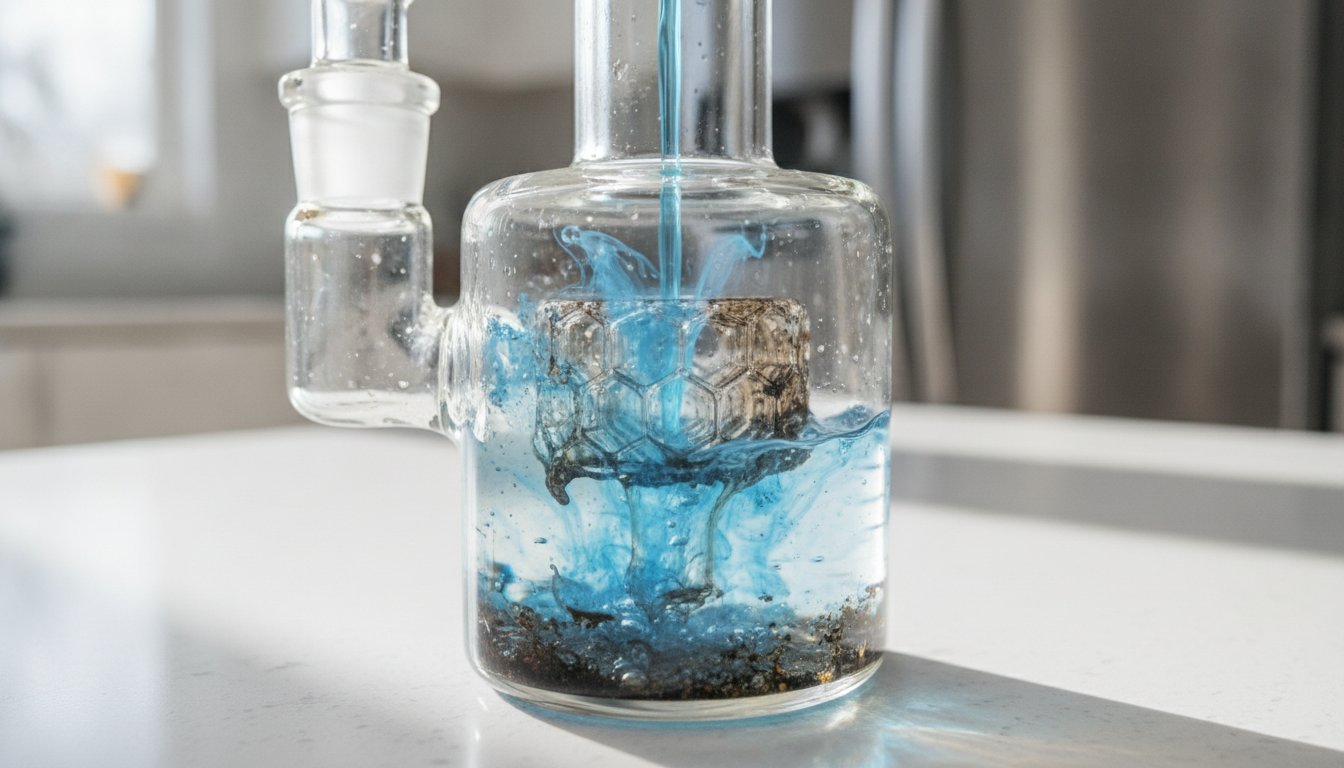
The passive soak is the safest route for thin glass or downstems with intricate built-in percolators. These small slits are notoriously difficult to reach with a brush and are prone to snapping under too much pressure. Submerging your piece for 15 minutes in Bong Cleaner eliminates the need for aggressive scrubbing. The proprietary formula does the heavy lifting, chemically breaking down tar bonds on contact. To ensure total restoration, submerge the piece entirely and tilt it to release any trapped air bubbles. This allows the solution to reach every interior surface of the tube completely. It's the ultimate "set it and forget it" method for delicate glass.
Agitation Techniques for Heavy Build-up
If your downstem is caked in thick, baked-on resin, you need active agitation. This is the fastest way to see results, but it requires a controlled touch. Never shake a downstem loosely in a hard container or a sink. Instead, place it inside a padded cleaning bag or a heavy-duty zip-top bag filled with Bongo Glass Cleaner. Use a "gentle swirl" technique rather than a violent rattle. This moves the solvent through the piece, allowing the formula to strip away layers of grime rapidly. For the most stubborn spots, a soft-bristle brush can assist the chemical action without scratching the surface. This combination of chemical power and light friction is the definitive solution for neglected gear.
The Definitive Step-by-Step Downstem Restoration Guide
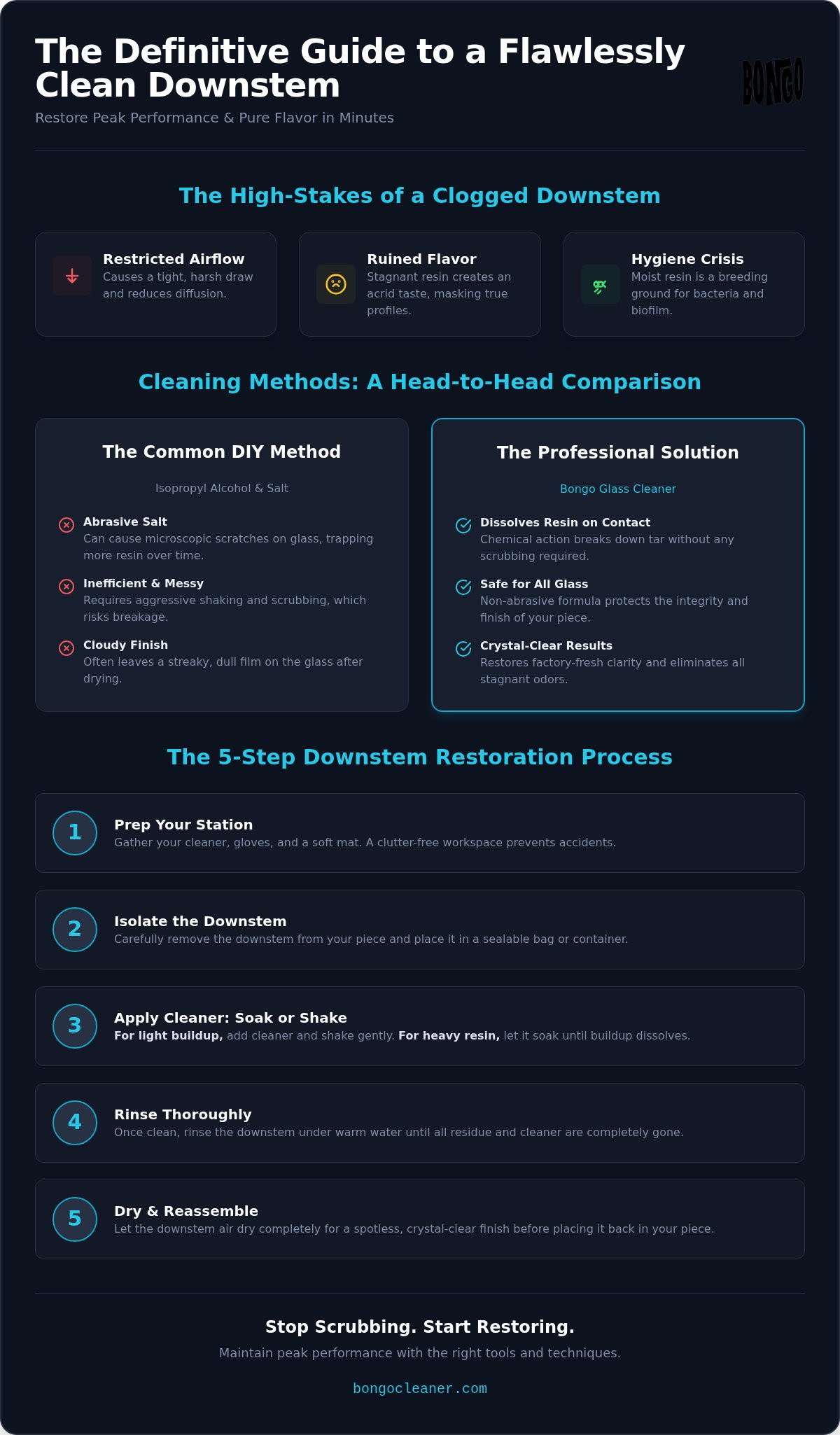
Stop guessing and start cleaning. This is the core process for how to clean a glass downstem like a pro. Forget the vague rinse and repeat advice from generic blogs. Water alone only spreads the sticky mess around. You need a methodical approach that guarantees a factory-fresh finish every single time. If you're still wondering how to clean a glass downstem without the mess, this step-by-step guide is your definitive answer.
Preparing the Downstem for a Deep Clean
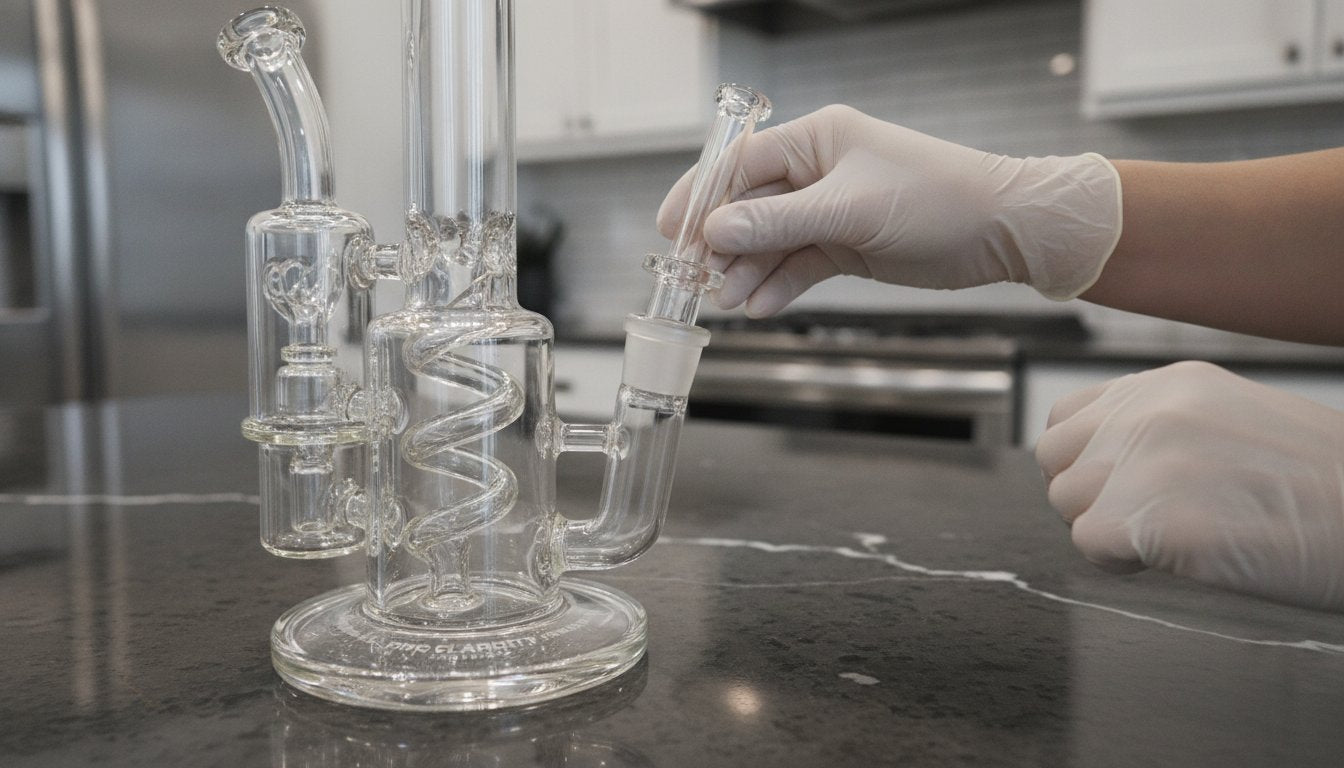
Safe removal is your first priority. If your downstem feels fused to the joint, don't use lethal pressure. A gentle, side-to-side wiggle or a bit of localized warmth usually breaks the seal. Once it's out, perform a preliminary warm water rinse to clear away loose ash. This ensures your solvent hits the hard resin directly rather than wasting power on surface debris. This is also the perfect time to evaluate the glass for mineral buildup. If you see cloudy white spots, you'll need to address hard water stains before the final reassembly.
Follow these five steps for total restoration:
- Step 1: Remove the downstem carefully and rinse with warm water to clear loose debris.
- Step 2: Submerge the piece entirely in a cleaning bag filled with professional solution.
- Step 3: Allow the formula to work. Buildup determines the time, but usually 5 to 15 minutes is plenty.
- Step 4: Perform a final warm water rinse and inspect the glass for any missed spots.
- Step 5: Dry completely and reassemble your pipe for immediate use.
The Restoration Process: From Grimy to Glossy
The clarity moment happens when the solvent shears the bond between the glass and the tar, causing the resin to slide off in one effortless wave. Inferior cleaners often leave behind a ghosting effect or a cloudy residue that ruins the look of your piece. If you see this, it's a sign your solvent isn't strong enough to fully strip the oils. Use a professional-grade formula to ensure every hit is pure and every surface is spotless.
Final polishing tips deliver that showroom-quality shine. For the best results, perform a final inspection under bright light to check for streaks. Dry the piece thoroughly with a lint-free cloth to prevent water spots from forming. If you're tired of the struggle and want instant results, grab a bottle of Bong Cleaner and finish the job in minutes. A clean downstem is the fastest way to upgrade your entire session.
Pro Maintenance: Keeping Your Downstem Crystal Clear
Consistency is the secret to a flawless experience. Most casual users wait until their piece looks like a swamp before acting. That's a mistake. Waiting allows resin to harden into a concrete-like state that's ten times harder to strip. If you want to keep your airflow wide open, adopt the "Daily Rinse" habit. It prevents heavy resin bonding before it even starts. Mastering how to clean a glass downstem is only half the battle; the real pros know how to keep it that way.
Integrating Bongo Glass Cleaner into a weekly maintenance cycle ensures you never deal with a clogged piece again. This isn't just about looks. A clean downstem saves you money on product. When your airflow is restricted, you waste material trying to get a decent hit. Maximum diffusion means maximum efficiency. You get more out of every session when your gear is operating at peak performance. High-energy maintenance pays for itself in the long run.
Daily Maintenance Hacks for Instant Results
A 30-second hot water flush after your final session of the day is a game changer. It clears out loose particles while they're still warm and mobile. For even better results, add a single drop of specialized solution to the water. This creates a barrier that keeps resin from sticking to the walls of the tube. It makes the next deep clean effortless. For a full breakdown of the best frequency for your habits, check out our Definitive 2026 Maintenance Schedule. Small, daily actions prevent the need for aggressive scrubbing later.
When to Replace vs. When to Restore
Restoration can save high-end artisan glass pieces that seem lost. However, you must know when to call it. Permanent clouding or "chazzing" often indicates that the glass has been heat-stressed or chemically etched by inferior cleaners. This damage is structural and cannot be washed away. Professional restoration with high-energy formulas can strip away years of neglect, but it can't fix a surface that's been physically compromised. Knowing the limits of your glass is part of being a professional owner.
Inspect your downstem during every deep clean. Look for micro-fractures or small chips around the diffusion slits. These are early warning signs of a catastrophic break. Catching these early prevents a piece of glass from snapping off inside your water pipe. Investing in a premium downstem and maintaining it with pro-grade gear is always cheaper than constantly replacing cheap, disposable glass. Keep it clear, keep it safe, and keep your sessions at a professional level. If you want the best results, always use a dedicated Bong Cleaner to maintain that factory-fresh clarity.
Unlock Peak Performance and Clarity
A spotless downstem is the secret to a smooth, unrestricted session. You've mastered the definitive method for restoration and identified why specialized solutions crush outdated household hacks. From choosing between a passive soak and active agitation to establishing a daily maintenance habit, you now have the tools to keep your glass in showroom condition. Now that you know how to clean a glass downstem with professional precision, there's no excuse for a restricted draw or stagnant odors ruining your experience.
Don't settle for cloudy results or the risk of breaking your favorite piece with abrasive salts. Bongo Glass Cleaner is the industry standard for a reason. It eliminates resin on contact and is safe for all borosilicate glass, delivering the high-energy results you demand. Stop scrubbing and start enjoying the immediate relief of a perfectly clear piece. Restore your glass to factory-fresh clarity with Bongo Glass Cleaner and experience the definitive difference today. Your glass is an investment; treat it like one and get back to peak performance.
Frequently Asked Questions
How often should I clean my glass downstem?
Clean your downstem daily for the best performance. Daily users should perform a quick warm water flush every evening to prevent resin from bonding to the glass. A deep restoration with Bongo Glass Cleaner should happen at least once a week to maintain factory-fresh clarity. Waiting longer allows tar to harden into a concrete-like state that ruins your flavor profile and restricts airflow.
Can I use boiling water to clean my glass downstem?
Never use boiling water on your glass components. While it might seem like an easy fix, extreme heat causes thermal shock that can shatter high-end borosilicate in seconds. This is a common rookie mistake that leads to catastrophic breaks. Stick to specialized, high-energy formulas that dissolve resin chemically at safe temperatures without the risk of destroying your favorite piece.
What is the fastest way to clean a heavily clogged downstem?
The fastest method is active agitation using a professional-grade solvent. Place your downstem inside a padded cleaning bag filled with Bong Cleaner and use a gentle swirl technique. This combination of chemical power and light movement strips away baked-on tar in minutes. It's the definitive solution for anyone wondering how to clean a glass downstem when they need instant results.
Will Bongo Glass Cleaner damage the colors on my glass?
No, our formula is designed specifically for glass smoking accessories and is safe for all borosilicate. It targets resin and tar buildup directly without compromising the integrity of the glass or its aesthetic features. You get professional-grade results and crystal clarity without worrying about fading or stripping away the colors of your high-end artisan pieces. It's built for pro-level restoration.
How do I remove a downstem that is stuck in my bong?
Use a gentle, side-to-side wiggle or apply localized warmth to break the resin seal. Never apply lethal pressure or pull vertically with force, as this often leads to a snapped joint. If it's truly fused, a small amount of professional cleaner can sometimes penetrate the joint and dissolve the sticky resin holding it in place. Patience and the right solvent are key to avoiding a break.
Is it safe to use salt and alcohol on high-end borosilicate glass?
While common, salt and alcohol are abrasive and inefficient compared to professional restoration. Salt is an abrasive that can leave microscopic scratches on your glass, creating new traps for resin to hide. Alcohol often leaves a cloudy, streaky finish. For a showroom-quality shine and better long-term protection, use a specialized formula that dissolves resin chemically without the need for physical abrasion.
Do I need special brushes to clean the inside of the downstem?
Soft-bristle brushes are highly recommended for removing stubborn ring stains. The narrow geometry of a downstem makes it difficult for liquid alone to clear every millimeter of the tube. Brushes assist the chemical action of the cleaner, especially in tight spots or around diffusion slits. They ensure a total restoration that liquid-only methods might miss, delivering that final polish for a perfect session.
How can I prevent resin from building up so quickly?
Adopt a "Daily Rinse" habit and use a drop of specialized solution in your water. Rinsing with warm water after your final session prevents tar from cooling and bonding to the glass walls. This small action keeps your airflow wide open and makes your weekly deep clean effortless. It's the most effective way to maintain peak performance and save money on product between deep restorations.