Cart
0
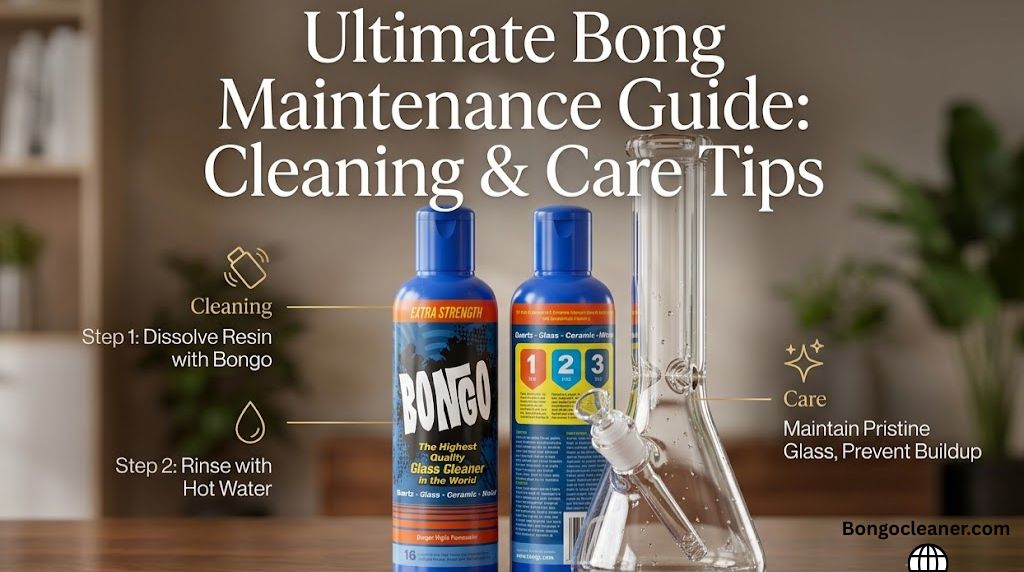
If you've ever taken a hit from a bong that hasn't been cleaned in weeks, you already know the problem: harsh, stale, ashy flavor that has nothing to do with what you're smoking. Resin buildup, stagnant water, and grimy percolators aren't just unpleasant — they quietly wreck the quality of every session. The good news is that bong maintenance isn't complicated once you understand what's actually happening inside your glass and how often each part needs attention.
This guide walks you through a complete, repeatable maintenance routine—from simple daily habits to thorough deep cleans—so your piece stays smooth-hitting, good-tasting, and in excellent condition for years. Whether you prefer DIY methods or a dedicated cleaning solution, using a high-quality glass pipe and water pipe cleaner like Bongo Glass Cleaner can make removing stubborn resin and buildup faster and easier, helping you keep your glass looking and performing like new.
Why Bong Maintenance Actually Matters
A bong is essentially a filtration system. Water and glass surfaces are constantly trapping tar, resin, and plant residue with every hit. Left alone, that residue doesn't just sit there — it builds a sticky film that:
- Muddies flavor and makes every hit taste burnt or bitter
- Clogs percolators and downstems, restricting airflow and smoothness
- Creates a breeding ground for mold and bacteria in standing water
- Weakens the structural clarity of the glass over time, making cracks harder to spot
Regular maintenance isn't about aesthetics — it's about protecting both the smoking experience and the piece itself.
Daily Maintenance: The 60-Second Habit
Most people only think about cleaning when things get visibly gross, but the single biggest upgrade you can make is a quick daily habit.
After each session:
1. Dump the old water immediately. Never let it sit overnight — standing water is where odor and bacteria start.
2. Give the base and downstem a quick rinse with hot water.
3. Refill with fresh water before your next session.
This alone prevents the majority of resin buildup from ever hardening in the first place. Fresh water also means better filtration and cooler, smoother hits every single time.
Weekly Maintenance: Light Cleaning
Once a week, go a step further than a rinse:
1. Empty the bong completely.
2. Add a small amount of isopropyl alcohol (91% or higher) and coarse salt to the base and any removable parts like the downstem and bowl.
3. Cover openings with your palm or a stopper and shake gently for 30–60 seconds. The salt acts as a mild abrasive, breaking loose fresh residue before it hardens.
4. Rinse thoroughly with hot water until no alcohol smell remains.
Weekly cleaning keeps resin from accumulating into the stubborn, sticky layers that are genuinely hard to remove later.
Deep Cleaning: When Resin Has Built Up
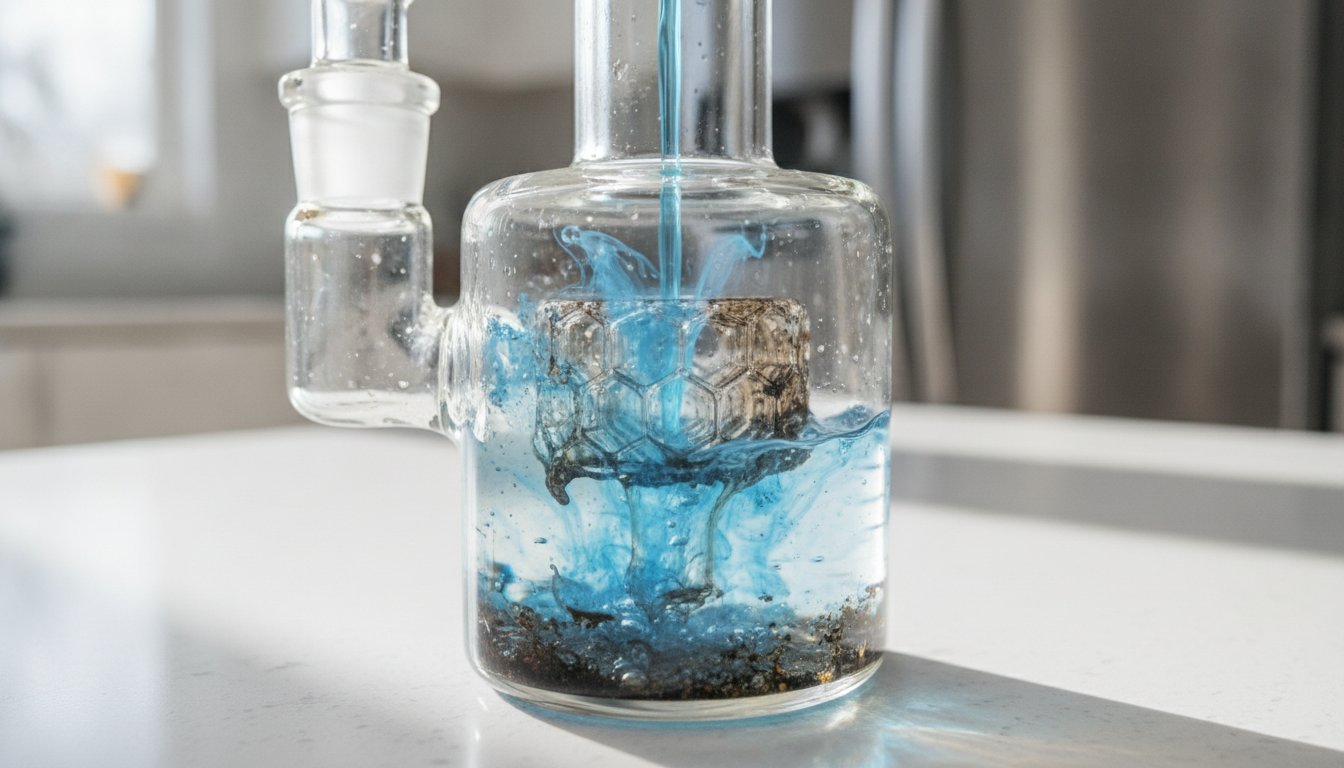
Alcohol and salt work fine for light, fresh residue, but they struggle once resin has cured into a hardened, dark coating — especially inside tight percolator chambers where a brush can't reach. This is where a dedicated cleaning solution becomes worth it.
A purpose-built glass cleaner is formulated specifically to break down cured resin without the scrubbing, soaking overnight, or the harsh chemical smell that comes with straight alcohol. Bongo Glass Cleaner is designed exactly for this: seal the piece in a bag with the solution, shake for about a minute, let it sit briefly, then rinse with hot water. It dissolves stuck-on resin in tight percolator arms and hard-to-reach chambers that a brush or pipe cleaner simply can't access.
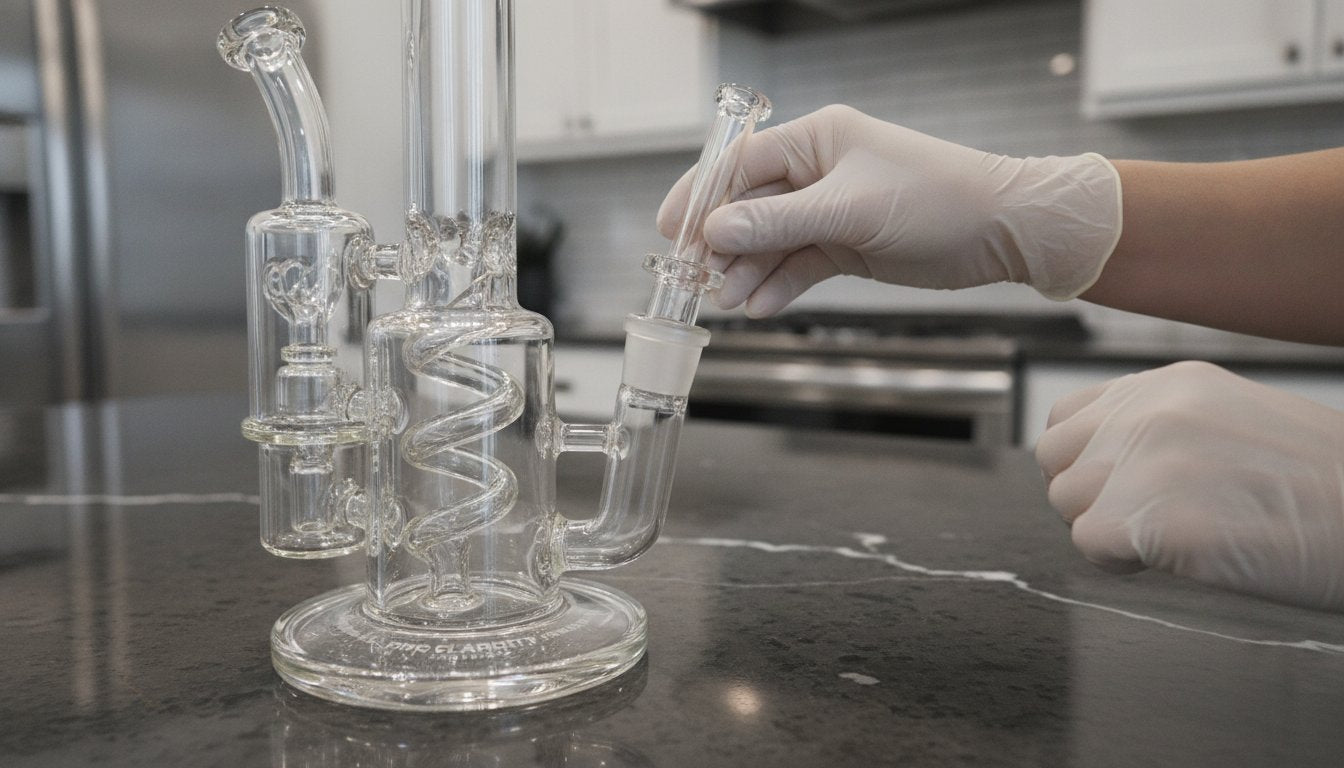
For pieces with multiple percolators or intricate chambers, a proper bong cleaning kit with brushes, pipe cleaners, and stoppers makes it far easier to reach every angle without applying force that could crack the glass.
Deep clean checklist:
- Remove all detachable parts (bowl, downstem, ash catcher)
- Soak or shake with a dedicated glass cleaning solution
- Use pipe cleaners for narrow slits and joints
- Rinse everything with hot water — never cold, which can shock and crack glass
- Air dry fully before reassembling to prevent mold in damp corners
Aim for a deep clean every 1–2 weeks for regular use, or immediately if you notice cloudy glass, a stubborn smell, or visibly reduced airflow.
What Not to Do When Cleaning Your Bong
A few common habits actually cause more harm than the resin itself:
- Don't use boiling water on cold glass. Sudden temperature shifts are one of the most common causes of cracked glass. Warm water gradually is safer than pouring boiling water straight in.
- Don't use metal utensils or hard tools to scrape resin. Glass scratches easily, and scratches weaken the structure over time.
- Don't skip rinsing after alcohol-based cleaning. Leftover alcohol residue affects flavor and can irritate your throat.
- Don't let cleaning solution sit indefinitely. Extended soaking beyond recommended times can degrade certain joint seals or colored glass accents.
Caring for Percolators and Intricate Glass
Percolators are the hardest part of any bong to keep clean because of their tight chambers and small slits. A few extra tips:
- Shake gently rather than aggressively — percolator arms are typically the most fragile part of the piece.
- Use pipe cleaners threaded through slits to loosen trapped residue before rinsing.
For heavily branched percs, extend soak time slightly rather than shaking harder, since force is more likely to crack thin glass than dissolve resin.
Storage Tips That Extend the Life of Your Piece
Maintenance doesn't stop after cleaning. How you store your bong between sessions matters just as much:
- Store on a stable, flat surface away from edges where it could be knocked over
- Keep the bowl and downstem removed when not in use to reduce stress on joints
- Avoid direct sunlight for extended periods, which can weaken certain adhesives and discolor accents
- If traveling, use a padded case rather than wrapping loosely in cloth
How Often Should You Clean a Bong?
Keeping your bong clean on a regular schedule helps maintain better flavor, smoother hits, and proper airflow. While a quick rinse after each use goes a long way, deeper cleaning is necessary to remove stubborn resin and prevent buildup. Here's a simple cleaning routine to follow:
- Dump and rinse the water after every session to remove ash, debris, and stale water before they can create unpleasant odors or affect the taste.
- Perform a light alcohol and salt cleaning once a week to dissolve fresh resin and keep the glass looking clear.
- Do a deep resin clean every 1–2 weeks, especially if you use your bong frequently. This helps remove stubborn buildup that a quick rinse can't reach.
- Give your bong a full percolator deep clean about once a month, or sooner if you notice restricted airflow or reduced filtration performance. Cleaning the percolators thoroughly helps restore smooth, unrestricted draws.
Following this cleaning schedule will keep your bong functioning at its best, extend its lifespan, and ensure every session is as clean and enjoyable as possible.
Bongo Cleaner
- Address: 8080 Island Rd, Ventress, Louisiana, 70783
- Email: bushchem@protonmail.com
- Phone: 2252402915
FAQs
How often should I clean my bong?
Water should be dumped and refreshed after every session. A light clean once a week and a deeper resin clean every one to two weeks will keep it consistently smooth-hitting.
Can I use vinegar to clean a bong?
Vinegar can help with light residue, but it's slower and less effective than isopropyl alcohol or a dedicated glass cleaner for cured resin, and it can leave a lingering smell.
Why does my bong smell bad even after rinsing?
Standing water left too long grows bacteria that a simple rinse won't fully remove. A full clean with alcohol and salt, or a dedicated resin cleaner, is needed to eliminate the odor at the source.
Is it safe to put a bong in the dishwasher?
Generally no. Dishwasher heat and water pressure can crack glass or damage delicate joints and percolators, especially on scientific glass pieces.
How do I clean percolators without breaking them?
Use gentle shaking, pipe cleaners for tight slits, and a dissolving cleaner rather than force. Percolator arms are thin and crack more easily than the base.
What's the fastest way to remove hardened resin?
A dedicated glass cleaning solution formulated to dissolve cured resin works faster and more thoroughly than alcohol and salt alone, especially in hard-to-reach chambers.
Conclusion
Keeping a bong clean isn't about a single deep scrub every few months — it's about small, consistent habits. Dump the water daily, do a light clean weekly, and deep clean regularly with the right tools before resin has a chance to harden into a real problem. Stay on top of it, and every session will taste the way it's supposed to: clean, smooth, and exactly like the flavor you paid for.