Cart
0
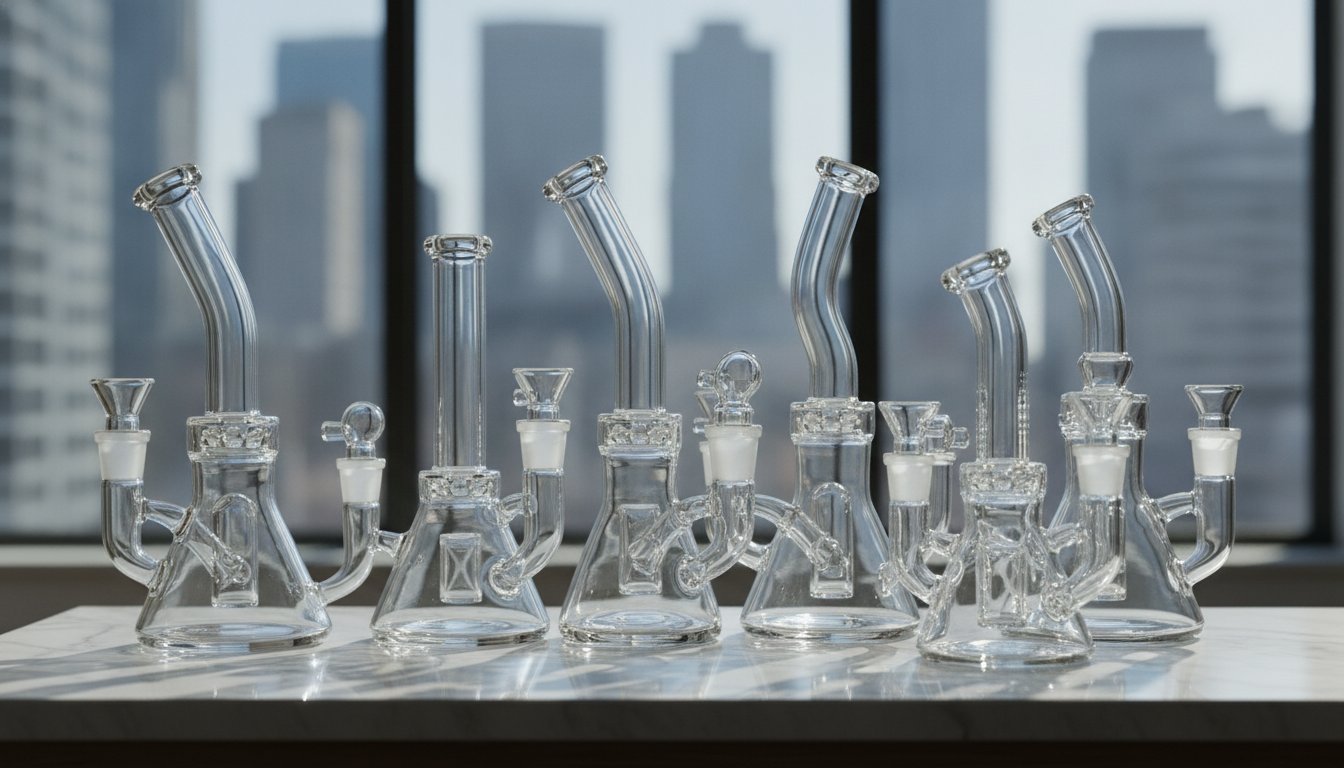
Did you know that harmful biofilm starts colonizing your glass in just 24 hours? If you're leaving water in your piece overnight, you're risking your respiratory health and killing the flavor of your premium herbs. Most enthusiasts wonder exactly how often to clean bong glass to keep it hitting like new without spending hours scrubbing. You want that crystal-clear aesthetic and pure, untainted taste every single time you light up.
We get it. Scrubbing stubborn resin is a massive pain, and those funky odors have a way of sticking around. You've likely dealt with cloudy glass that ruins the look of your favorite high-end pieces. It feels like a chore, but it shouldn't be a struggle. You deserve a setup that looks as good as it performs. Maintaining your glass is about more than just looks; it is about protecting your lungs and your hobby.
This guide delivers the definitive 2026 maintenance schedule to protect your health and your investment. You'll discover the exact frequency required for peak performance and faster cleaning methods that restore glass instantly. We're breaking down everything from essential daily habits to deep-clean restoration using Bongo Glass Cleaner so you can spend less time cleaning and more time enjoying your session.
Key Takeaways
- Adopt the "Fresh Start" standard to stop harmful biofilm and pathogens from colonizing your glass within 24 hours.
- Follow our tailored 2026 maintenance calendar to determine exactly how often to clean bong setups based on your specific usage frequency.
- Learn to recognize "ghost flavors" and subtle resin buildup as critical red flags for immediate chemical restoration.
- Ditch slow, outdated soaking methods for high-impact cleaning strategies that deliver showroom-quality clarity in seconds.
- Restore neglected pieces to peak condition instantly with molecular-level solutions like Bongo Glass Cleaner.
The Science of Dirty Glass: Why Frequency Is Non-Negotiable
Performance isn't just about the herb you buy. It is about the glass you use. When resin builds up, airflow dies. You lose temperature control. You lose flavor. Most enthusiasts wait until their glass is opaque before they act. That is a mistake. The 'Dirty Bong' threshold happens long before you see the heavy grime. It starts the moment your hits feel tight or the water turns a faint shade of yellow. This resin acts as a physical barrier. It narrows downstems and clogs percolators, forcing you to pull harder and creating a harsher, hotter experience.
Stagnant water is essentially a petri dish. It's warm, wet, and filled with organic matter. This environment is the perfect breeding ground for pathogens that can compromise your session. Using a water pipe, or bong that hasn't been refreshed is like drinking from a stagnant puddle. You want flavor purity. You want a crisp, untainted profile. Achieving that requires an understanding of the biological clock ticking inside your glass. If you aren't asking how often to clean bong setups, you're likely inhaling more than just vapor.
- Airflow Restriction: Resin narrows pathways, requiring more lung power for less reward.
- Heat Spikes: Clogged pieces don't diffuse heat properly, leading to scorched throats.
- Flavor Degradation: Old tar masks the delicate terpene profiles of premium flower.
- Visual Decay: Cloudy glass ruins the aesthetic of high-end, expensive pieces.
The 24-Hour Biofilm Rule
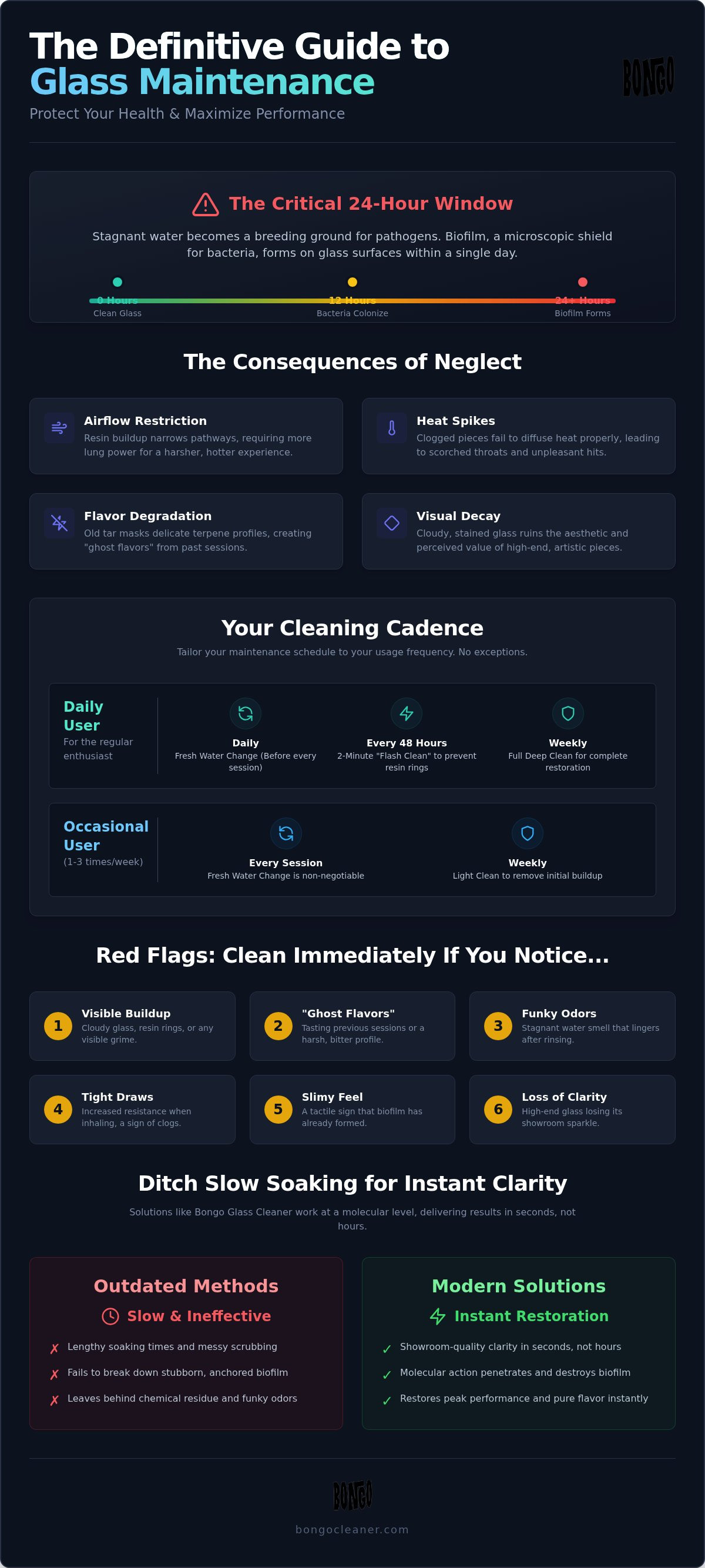
Bacteria and fungi don't wait for a weekly schedule. They start forming a biofilm on your glass surfaces within just 24 hours. Simply dumping the water and refilling the piece won't fix the problem. Once that film attaches, it anchors itself to the glass. Biofilm is a microscopic shield for bacteria that requires a solvent to break. This is why glass feels slimy even after a quick rinse with tap water. You need a targeted solution to penetrate that shield and restore the surface to its original, sterile state. If you leave water overnight, you've already invited the biofilm to stay.
Health Risks of Neglected Water Pipes
Mold spores love dirty glass. Inhaling these spores can cause immediate respiratory irritation or long-term issues. Beyond the health concerns, dirty water actively destroys the chemical integrity of your herbs. It degrades terpenes and cannabinoids before they ever reach your lungs. You're paying for top-shelf quality but getting a basement-tier hit. If you've ever wondered is a dirty bong bad for you, the answer is a loud yes. It ruins your health and your high. Maintaining a strict cleaning cadence isn't just about vanity; it's about protecting your body and ensuring your investment performs at its peak every single time.
Determining Your Cleaning Cadence: The 2026 Maintenance Calendar
Stop treating your glass like an afterthought. If you want peak performance, you need a system. The 'Fresh Start' standard is your new baseline. This means changing your water before every single session. No exceptions. Stale water ruins terpene profiles and invites disaster. While some claim a 'seasoned' pipe hits better, they are usually just tasting old tar and carbon. When deciding how often to clean bong setups, your consumption habits dictate the schedule. You wouldn't eat off a plate that sat in the sink for three days. Don't inhale through a pipe that has been sitting in its own filth.
Neglecting your maintenance isn't just about bad taste. It's a health risk. Medical research has linked contaminated water pipes to life-threatening conditions like necrotizing pneumonia. Your glass should be a tool for relaxation, not a source of infection. Intricate pieces with multiple percolators require even more vigilance. Those tiny slits and holes trap resin faster than a standard beaker. If you use high-end glass, your cleaning frequency must increase to keep those air paths clear. Dry pipes don't have the same bacterial risks as water pipes because they lack the stagnant liquid, but they still require regular resin removal to prevent airflow restriction and bitter hits.
The Daily Smoker's Protocol
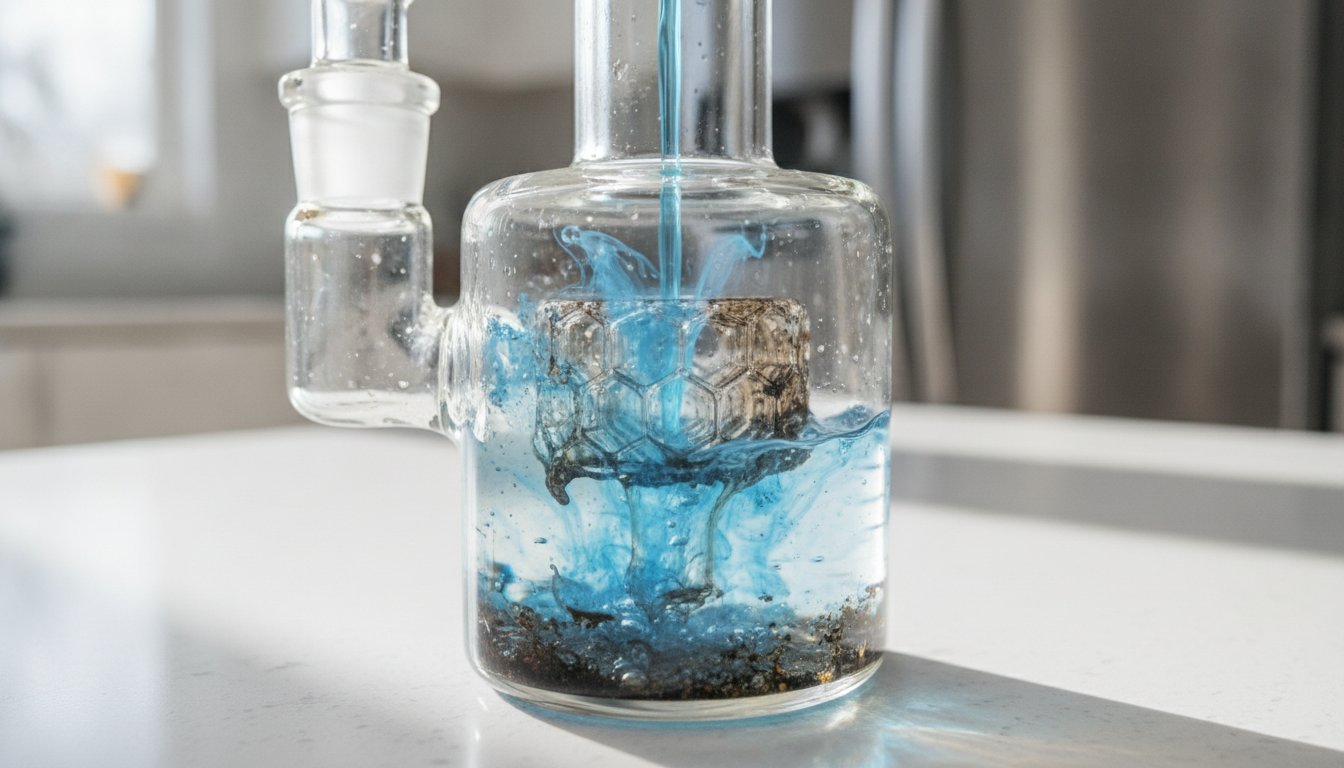
For the daily enthusiast, consistency is everything. You must change your water daily. Every 48 hours, perform a 2-minute 'flash clean'. This prevents 'the ring', which is that stubborn resin line that bakes onto the glass at the water level. If you let that ring sit, it becomes a permanent stain. Daily maintenance feels like more work, but it actually saves hours of scrubbing later. A quick shake with a powerful Bong Cleaner keeps the glass showroom-ready with zero effort. It is the difference between a five-minute refresh and a two-hour battle against neglected grime.
The Weekend and Occasional User Schedule
If you only pull out the glass on Fridays, your rules are different. You must deep clean after every use before storage. Never let a dirty piece sit for a week. Resin 'sets' as it cools and dries. This process turns soft tar into a hard, shellac-like substance that is a nightmare to remove. Clean it while the resin is still fresh and pliable. Once it is spotless, dry it completely and store it in a dust-free environment. This ensures your next session starts with pure flavor rather than the ghost of last week's herbs. Proper storage prevents the cloudy oxidation that ruins the aesthetic of premium glass.
Recognizing the Red Flags: When Your Glass Needs Immediate Restoration
Waiting for your glass to turn opaque is a rookie mistake. By the time your piece looks like swamp water, your performance has already flatlined. High-end glass is an investment in flavor and smoothness. If you ignore the subtle signals of contamination, you're wasting money on premium herbs. Most enthusiasts wonder how often to clean bong setups, but the real answer lies in your ability to spot trouble before it becomes a health hazard. You need to identify the threshold where a quick rinse is no longer enough and a full restoration is required.
A quick 'health check' of your glass should be part of your daily routine. Look for these red flags every time you prep a session:
- Yellowing Water: If the water changes color after just one or two hits, resin is leaching back into the liquid.
- The 'Ghost' Scent: Smell the piece while it is dry. If it smells like a campfire or old gym socks, bacteria have taken root.
- Restricted Pull: If the bubbles feel 'heavy' or slow, your percolators are likely clogged with tar.
- Visible Specks: Floating debris or black flakes in the water are signs of extreme neglect.
Visual Cues: Resin, Rings, and Cloudiness
The 'Resin Ring' at the water line is your first warning shot. This sticky band isn't just an eyesore. It acts as a physical anchor for bacteria and hard water minerals. As the water evaporates, it leaves behind calcium deposits that resin then covers, creating a layered shield. This is how pieces get that permanent 'cloudy' look. You must distinguish between standard resin buildup and 'glass bloom' or hard water stains. If your glass looks foggy even after a soap rinse, you need to learn how to remove hard water stains from glass bong to bring back that factory-fresh clarity. Cloudiness is a sign that minerals are etching into your glass, which can lead to permanent damage if left untreated.
Sensory Warning Signs: Odor and Flavor Degradation
Your nose knows the truth before your eyes do. A stale, swampy odor that persists even after you swap the water is a dead giveaway of deep-seated tar. This buildup ruins the 'smoothness' factor of your piece. Tar is thick and sticky; it traps heat and makes every hit feel harsher on your throat. 'Ghost flavors' are the ultimate dealbreaker for any connoisseur. You shouldn't taste yesterday's strain when you're lighting up something fresh today. That lingering, bitter aftertaste is the result of carbonized resin interacting with your new vapor. A clean piece restores the intended terpene profile of your herb, ensuring you get exactly what you paid for. Don't settle for muted flavors and scorched lungs. When the taste turns sharp, it is time for a deep chemical clean.
Maximizing Efficiency: How to Clean Faster and Better
Cleaning shouldn't be a weekend project. If you're spending hours shaking a piece with household ingredients, you're doing it wrong. Efficiency is the ultimate goal. When you understand how often to clean bong glass properly, the process becomes a two-minute habit rather than a dreaded chore. Work smarter. Use tools designed for the job. Modern glass engineering has evolved, and your maintenance routine needs to catch up. Stop settling for "clean enough" and start demanding factory-level clarity every single time you light up.
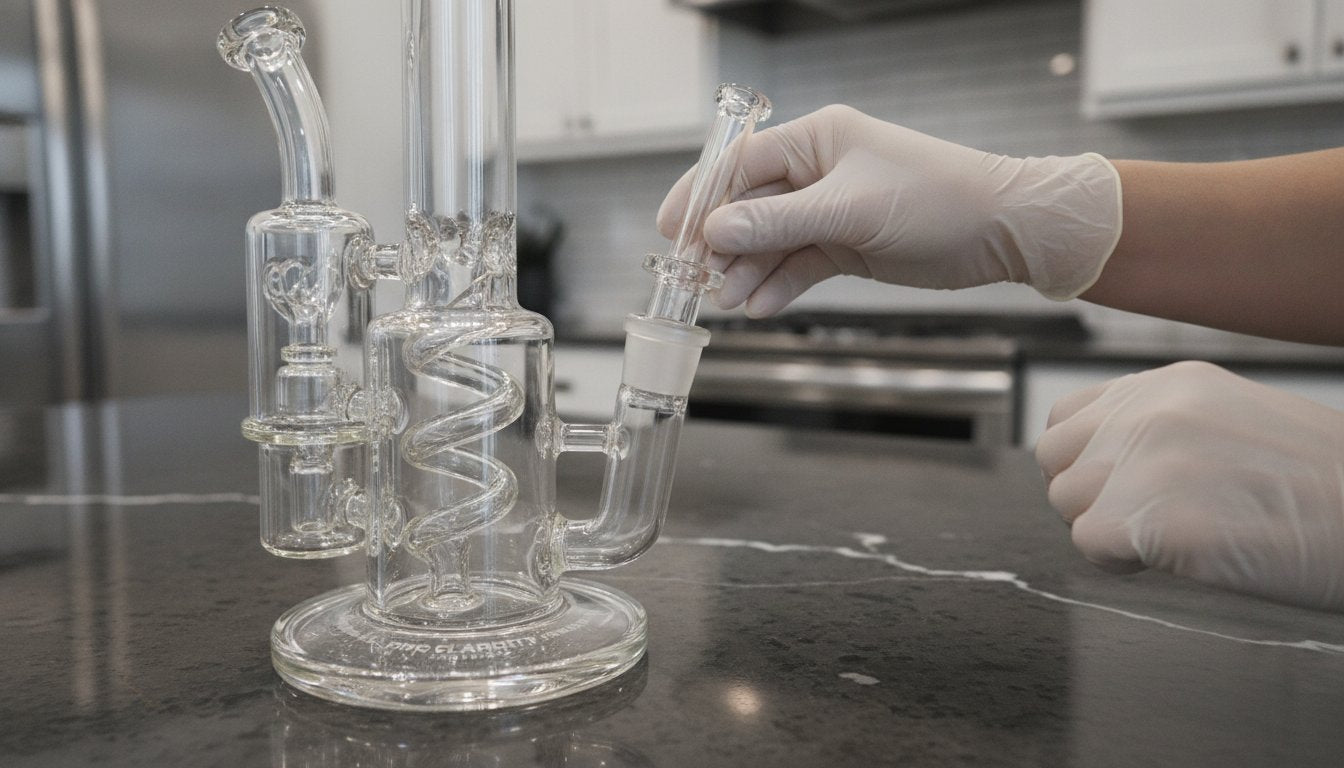
Not every session requires a full chemical breakdown. A simple hot water rinse works for daily water changes, but it won't touch molecular-level tar. You need to know the difference. Use hot water to flush out loose debris after a hit. Deploy a dedicated cleaner when you see the first sign of a resin ring. This is especially critical for percolators. These intricate internal structures are fragile. Never use force or thick brushes that could snap internal glass. Instead, rely on high-impact solvents that dissolve resin on contact. For those using smaller pieces alongside their main rigs, the same principles apply to how to clean a glass pipe without risking a break. Speed and safety should always go hand-in-hand.
The 'Quick Rinse' vs. The 'Deep Restore'
Daily maintenance is about prevention. Deep restoration is about performance. If you've neglected your piece for a week, a hot water rinse is useless. You need a solution that targets resin and tar at the molecular level. This is where professional restoration beats DIY methods every time. Don't waste your energy on repetitive shaking. Let the chemistry do the heavy lifting. A high-quality solvent penetrates the sticky layers of tar that water simply slides over. It restores your glass to peak condition instantly, ensuring your next hit is as pure as the first one you ever took from that piece.
Why Salt and Alcohol Are Outdated in 2026
Isopropyl alcohol and salt were the standards for decades. In 2026, they are obsolete. Alcohol is a weak solvent for heavy, carbonized tar. It requires constant agitation and long soak times to work. Even worse, abrasive salts can be detrimental to high-end glass finishes over time. Salt crystals create micro-scratches on the surface of your glass. These tiny abrasions give resin a place to anchor, making your piece get dirty even faster next time. You're effectively sanding down your investment. Modern solvents provide a faster, safer, and more effective alternative. They dissolve the bond between the resin and the glass without the need for abrasive scrubbing. If you want to experience the power of a professional-grade formula, grab the ultimate Bong Cleaner and stop wasting your time with outdated DIY hacks.
Elevate Your Experience with Bongo Glass Cleaner
Maintenance shouldn't be a burden. We've established the 2026 schedule. You know the biological risks of biofilm. You know the visual red flags of a failing piece. Now, you need the definitive solution to execute that plan without losing your entire afternoon. Bongo Glass Cleaner is engineered for the enthusiast who demands perfection and values time. It is the only way to maintain the 'Fresh Start' standard every single day without the headache of traditional scrubbing. You get immediate relief from grime and an instant return to peak performance.
Forget about overnight soaking. That's a relic of the past. Our proprietary formula targets resin and tar at the molecular level, breaking bonds instantly. Whether you use a simple beaker or a complex multi-perc rig, Bongo delivers showroom-quality results in seconds. It allows you to stick to your schedule because it removes the friction of the process. When you ask how often to clean bong pieces, the answer becomes "whenever you want" because the effort is now zero. Stop settling for murky hits and start demanding total clarity.
Professional Care for Your Collection
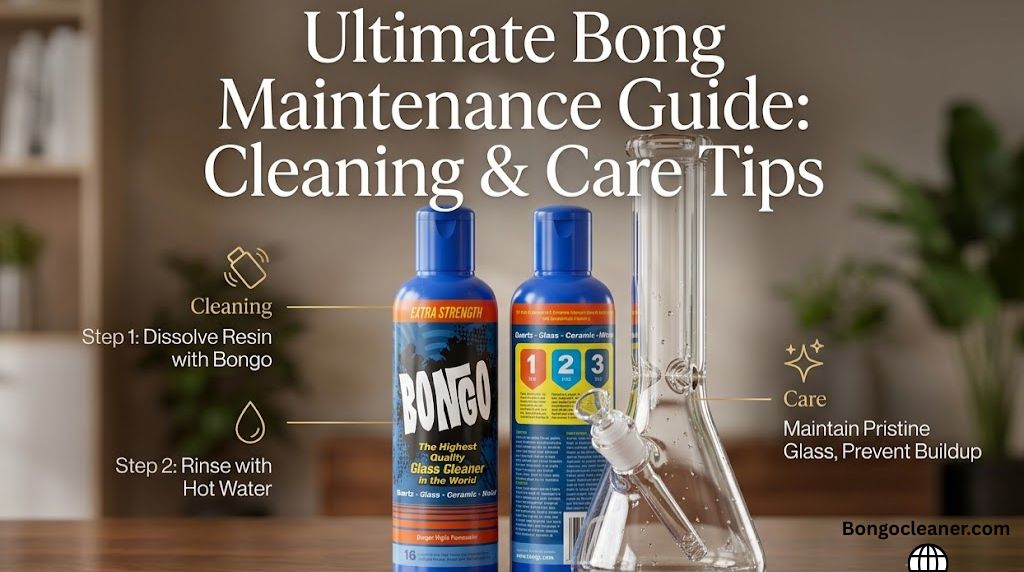
High-end borosilicate glass is an investment. Using harsh abrasives or weak household chemicals can lead to micro-scratches and permanent cloudiness that ruins the aesthetic. Bongo Glass Cleaner protects the longevity of your collection while providing a sterile, like-new finish. The process is incredibly simple. Pour. Shake. Rinse. There is no guesswork involved. It leaves zero residue and zero 'ghost' scents, ensuring your next session is a pure terpene experience. For those looking to maximize their efficiency, check out The Ultimate Guide to Bongo Glass Cleaner Mastery for professional tips on restoring even the most neglected glass.
The Bongo Performance Guarantee
Thousands of enthusiasts have already ditched the salt and alcohol for a better way. They trust Bongo for their daily maintenance because it works instantly. It restores the airflow you've been missing and brings back the crystal-clear aesthetic that made you buy your piece in the first place. Most importantly, it restores the flavor of your herbs to their intended profile. Don't let a dirty pipe ruin a premium experience. Speed, clarity, and total flavor restoration are just a shake away. Stop scrubbing and start enjoying your glass the way it was meant to be seen and tasted. Shop Bongo Glass Cleaner for Instant Results and experience the 2026 standard for yourself.
Lock In Showroom Clarity Every Single Session
Your glass is more than a tool. It is an investment in your lifestyle and health. You now have the definitive 2026 schedule to stay ahead of biofilm and flavor-killing resin. Remember the core rules. Change your water daily. Deep clean the moment those ghost flavors appear. Determining how often to clean bong setups is finally simple. You don't have to settle for cloudy glass or harsh, scorched hits ever again.
Stop wasting your time with outdated soaking methods that barely scratch the surface. You deserve a solution that works as hard as you do. Bongo Glass Cleaner is engineered specifically for heavy resin and tar removal. It restores crystal clarity in minutes. It is completely safe for all high-quality borosilicate glass, ensuring your favorite pieces stay in peak condition for years. It is time to stop scrubbing and start experiencing the pure, untainted flavor of your herbs.
Restore Your Glass Instantly with Bongo Glass Cleaner. Get back to what matters. Your next perfect session is just a rinse away.
Frequently Asked Questions
How often should I change the water in my bong?
Change your water before every single session to maintain the "Fresh Start" standard. Stagnant water begins developing harmful biofilm within just 24 hours. Fresh water ensures smoother hits and prevents the buildup of pathogens that thrive in warm, organic environments. Don't let your glass sit with old water overnight if you want to protect your respiratory health and your flavor.
Can I get sick from a dirty bong?
You can absolutely get sick from using a contaminated piece. Dirty water pipes are linked to severe lung infections like necrotizing pneumonia and respiratory irritation from inhaled mold spores. Bacteria and fungi colonize the glass surfaces quickly. If you aren't prioritizing how often to clean bong glass, you're inhaling more than just vapor. Protect your lungs by sticking to a strict maintenance schedule.
Is it okay to clean my bong with just hot water?
Hot water is excellent for a quick daily rinse to flush out loose debris. However, it won't touch the molecular-level resin or the sticky biofilm that anchors to the glass. You need a dedicated solvent to penetrate those layers. Relying solely on water leads to cloudy glass and "ghost flavors" that ruin the profile of your herbs. Use water for maintenance, not restoration.
What is the fastest way to clean a heavily used glass pipe?
The fastest way to restore heavily used glass is using a professional-grade Bong Cleaner. Forget the hours of soaking or shaking with household hacks. Pour the solution, give it a quick shake, and rinse. This method targets carbonized tar instantly, delivering showroom-quality results in under two minutes. It is the most efficient way to keep your glass hitting like it is brand new every time.
Does a clean bong really make the flavor better?
A clean piece is essential for flavor purity. Resin and old tar carry bitter, carbonized flavors that mask the delicate terpene profiles of premium flower. When your glass is spotless, you taste exactly what the grower intended. It is the difference between a swampy, harsh pull and a crisp, untainted hit. Don't let yesterday's resin ruin today's top-shelf herb. Experience the full spectrum of flavor.
How do I know if there is mold in my bong?
Look for black, white, or green specks floating in the water or clinging to the glass walls. A musty, stale odor that persists even after a water change is another major red flag. If you see fuzzy patches or slime, stop using the piece immediately. These are signs of advanced fungal growth that require a deep chemical restoration to ensure your respiratory safety.
Should I clean my bong after every single use?
Occasional users should clean their glass before storage to prevent resin from setting. If you're a daily enthusiast, a quick "flash clean" every 48 hours is usually enough to prevent the dreaded resin ring. Consistency saves time. Maintaining a regular cadence ensures your glass stays pristine and your sessions remain effortless. It is about working smarter to keep your setup performing at its peak.
What is the best alternative to salt and alcohol for cleaning glass?
The best alternative is a dedicated, molecular-level solvent like Bongo Glass Cleaner. Unlike salt, it won't create micro-scratches on your high-end borosilicate glass. It is faster, safer, and more effective than isopropyl alcohol. These modern formulas dissolve heavy tar on contact. They provide a superior finish without the tedious scrubbing associated with outdated DIY methods. You get professional results in a fraction of the time.