Cart
0
Did you know that the slimy film coating your glass can harbor dangerous pathogens in as little as 24 hours? It isn't just gross resin; it's a thriving biological hazard. You might be asking yourself, is a dirty bong bad for you, or is it just a minor eyesore? The truth is startling. Research indicates that 80% of environmental bacteria exist in these biofilm communities. These clusters are linked to serious respiratory infections like bronchitis or even necrotizing pneumonia.
We understand the frustration of a session ruined by foul-smelling water and a persistent, hacking cough. You shouldn't have to settle for muted flavors and clogged percolators. You deserve a smooth, safe hit every single time. This definitive 2026 guide reveals the hidden health risks lurking in your pipe and provides the ultimate strategy to achieve a crystal-clear, safe smoking experience instantly. We'll dive into the science of biofilms and show you the fastest way to restore that legendary "new glass" taste without the struggle.
Key Takeaways
- Identify the specific pathogens and biofilms that explain exactly why is a dirty bong bad for you and your respiratory health.
- Learn how resin and tar buildup sabotages your experience by muting flavors and creating restrictive "drag" in your percolators.
- Establish a professional 2026 maintenance routine that keeps your glass in peak condition with minimal effort.
- Discover why Bongo Glass Cleaner is the ultimate solution for dissolving stubborn resin at a molecular level without damaging high-end glass.
- Restore the "new glass" taste instantly by mastering fast-acting cleaning techniques that eliminate the need for messy DIY methods.
Is a Dirty Bong Bad for You? The Hidden Health Risks
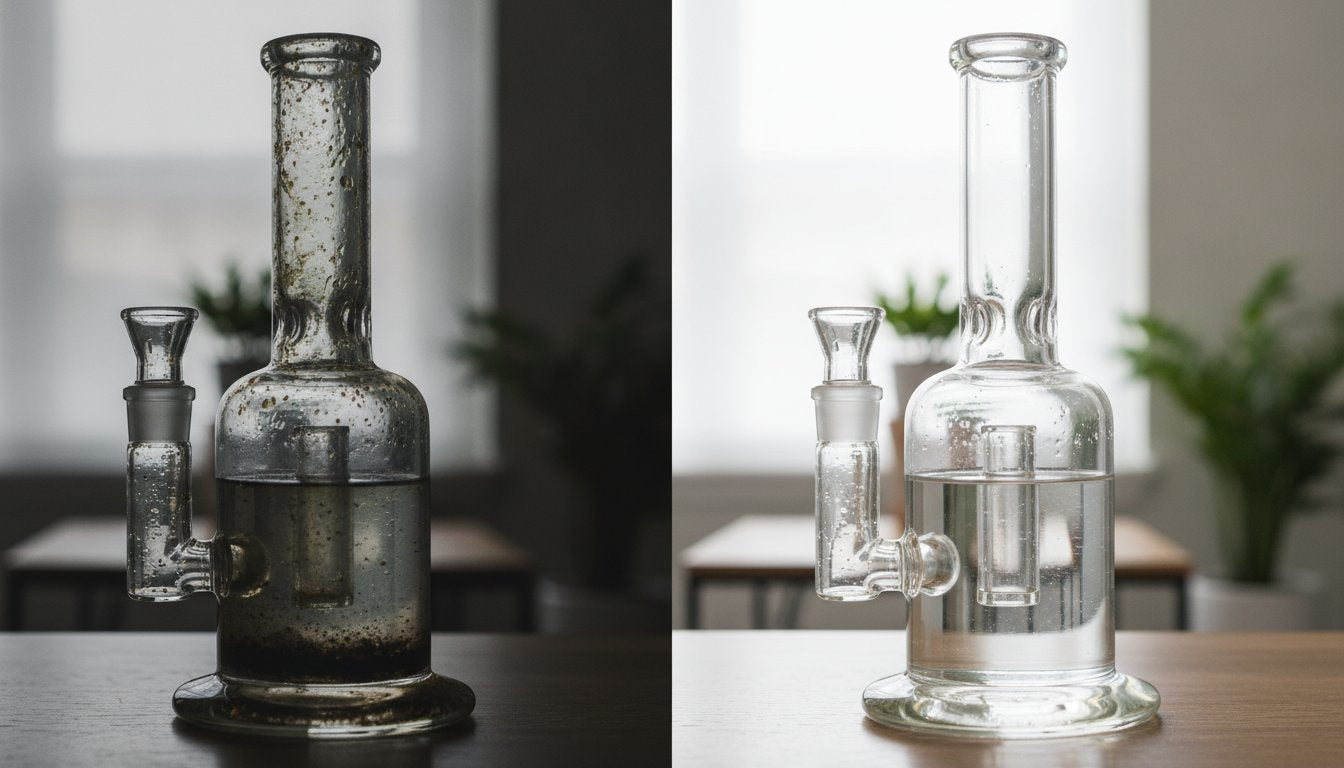
Your glass is a petri dish. That brown ring isn't just a cosmetic flaw; it's a thriving colony of pathogens. If you've ever wondered, is a dirty bong bad for you, the answer is a definitive yes. Stagnant water becomes a biological soup in under 24 hours. Every hit pulls these contaminants directly into your respiratory system. It's a high-stakes gamble with your health.
Neglected water creates a toxic environment. Organic matter from your flower feeds bacteria. Moisture provides the perfect incubator. Within a day, you aren't just smoking; you're inhaling a concentrated mist of microbes. This is why "powering through" a dirty session is never worth the risk. You deserve better. Your lungs deserve better. Immediate cleaning is the only way to ensure your safety.
Bacteria and Mold Growth in Stagnant Water
Pseudomonas and Aspergillus are the primary threats lurking in your base. These aren't just big words; they are dangerous invaders that cause serious infections. Biofilm, a slimy layer of microorganisms, adheres to your glass in 24 to 48 hours. It acts as a shield for bacteria. Even if your water looks clear, these microscopic threats remain. A quick rinse won't cut it. You need to strip away the biofilm to truly protect yourself.
- Pseudomonas: Thrives in moist environments and causes pneumonia.
- Aspergillus: A mold that triggers severe allergic reactions and lung scarring.
- Biofilm: A protective slime that harbors 80% of environmental bacteria.
Impact on Long-Term Lung Health
Stop ignoring that persistent cough. It might not be the smoke. Inhaling mold spores directly into your lungs can lead to "Bong Lung," also known as hypersensitivity pneumonitis. This condition causes chronic inflammation and long-term damage. Understanding the Adverse health effects of bongs is critical for any serious enthusiast. Irritation from dirty glass is different from a standard hit. It feels heavy, tight, and restrictive.
A compromised immune system reacts violently to dirty glass. You might experience chest pain, fever, or shortness of breath. These are signs of infection, not a potent strain. Don't let a dirty piece sabotage your wellness. If you're asking if is a dirty bong bad for you, consider the long-term respiratory impact. High-performance glass requires high-performance maintenance. Clean glass ensures a pure experience. Dirty glass ensures a trip to the doctor. Choose wisely. Your health is the priority.
Anatomy of Grime: Resin, Tar, and the Biofilm Threat
Grime isn't just a surface issue. It's a structural failure of your glass. If you're still wondering, is a dirty bong bad for you, look closer at the sludge. Resin is more than a mess; it's a sticky trap for bacteria. Tar buildup restricts airflow and traps secondary contaminants that you definitely don't want to inhale. Simple hot water won't save you. It lacks the chemical power to break the molecular bond of hardened resin. You need a solution that attacks the grime at its core.
The Science of Resin Accumulation
Heat meets cold glass. Smoke condenses. This process creates a permanent, waterproof coating of tar and lipids. Cannabis resin is chemically complex, far more stubborn than standard wood ash or tobacco tar. It is a dense mixture of cannabinoids, burnt plant matter, and oils. Textured glass and intricate percolators act as magnets. They provide thousands of tiny crevices where gunk hides. Once it sets, it hardens into a thick, black lacquer. This restricted airflow makes hits harder to pull and forces you to inhale deeper, dragging contaminants further into your respiratory system.
Understanding Biofilm: The Slimy Shield
Biofilm is the real enemy. It's a colony of microorganisms that anchors itself to your glass with a protective slime. This shield is why simple rinsing fails. Biofilm protects bacteria from standard soap and water, allowing pathogens to thrive even after a quick shake. Research suggests that 80% of environmental bacteria live in these communities. That "rotten egg" smell? That's a warning sign of advanced biological activity. It signals that your water has become a breeding ground for danger. This isn't just theory; case reports of lung infections have linked contaminated water to necrotizing pneumonia.
You can't scrub away a molecular bond. You need to dissolve it. If your glass feels heavy or smells like a swamp, it's time for a professional intervention. Using a dedicated bong cleaner ensures you strip away the biofilm and the resin in one shot. Don't gamble with your respiratory health. Restore your piece to its peak performance and get back to the clean, pure hits you deserve. If you're asking is a dirty bong bad for you, the answer is written in the slime on your glass.
Performance Sabotage: How Dirt Ruins the Experience
Your glass is failing you. Every layer of resin acts as a barrier between you and the high-quality experience you paid for. If you're still debating if is a dirty bong bad for you, consider the damage it does to your flower. You spend money on top-shelf strains, only to have the flavor profile destroyed by old, burnt tar. It's a waste of potential and a waste of cash. High-performance glass deserves high-performance care.
Cloudy, yellowed glass kills the vibe of any collection. Your piece should be a centerpiece, not something you hide when friends come over. Neglected maintenance doesn't just look gross; it changes the chemistry of your hit. You're no longer enjoying a clean burn. You're inhaling the combustion byproducts of every session you've had for the last month. It's time to stop settling for mediocre sessions and reclaim the clarity of your glass.
Flavor Distortion and Terpene Loss
Terpenes are the soul of your flower. They provide the aroma and the nuanced effects that define a premium strain. Old tar is an aromatic blanket. It smothers these delicate profiles with a heavy, acrid stench. When you smoke through dirty glass, you aren't tasting the nuanced notes of your strain. You're tasting accumulated filth. This distortion happens because resin is porous. It traps odors and releases them every time heat passes through the chamber. This is why your bong smells even when it's empty. Proper maintenance restores that "first-hit" flavor, letting the true essence of your flower shine through without the interference of stale resin.
Restricted Airflow and Mechanical Failure
Drag is the enemy of a smooth session. Intricate percolators are designed to cool and filter smoke, but they only work when the pathways are clear. Resin narrows these channels, forcing you to pull harder. This extra lung strain isn't just uncomfortable; it's a mechanical failure of your equipment. You shouldn't have to struggle to clear a chamber. Maintaining the integrity of intricate glass designs requires constant vigilance. While restricted airflow is a performance killer, it also increases your risks. Forcing a deep inhale through contaminated glass exposes your lungs to dangerous pathogens. This isn't just a theory. Contaminated water has been linked to severe health crises, including an NIH-documented case of necrotizing pneumonia. Don't let a clogged downstem turn a relaxing moment into a medical emergency.
- Muted Terpenes: Old resin masks the flavor of expensive, top-shelf flower.
- Increased Drag: Clogged percolators force you to work harder for every hit.
- Acrid Aftertaste: Burnt tar adds a nasty, bitter flavor to fresh bowls.
- Cloudy Glass: Hard water stains and resin buildup ruin the aesthetic of your piece.
Stop fighting your glass. If the water is yellow and the hits are harsh, the experience is already ruined. You don't have to "power through" a nasty session. Restore the peak performance of your investment by stripping away the grime. Clear glass means clear flavor and effortless hits. It's the only way to ensure your session is as safe as it is satisfying.

The Definitive Bong Cleaning Guide for 2026
Stop guessing. Start cleaning. You need a maintenance routine that matches the quality of your glass. We've already established that a neglected piece is a biological hazard. If you're still wondering is a dirty bong bad for you, remember that stagnant water is a petri dish for pathogens. Take control with this definitive 2026 guide to restore your glass to its peak performance.
- Step 1: The Immediate Flush. Empty your base after every single session. Rinse with warm water. Heat expands the glass pores and softens the resin for easier removal.
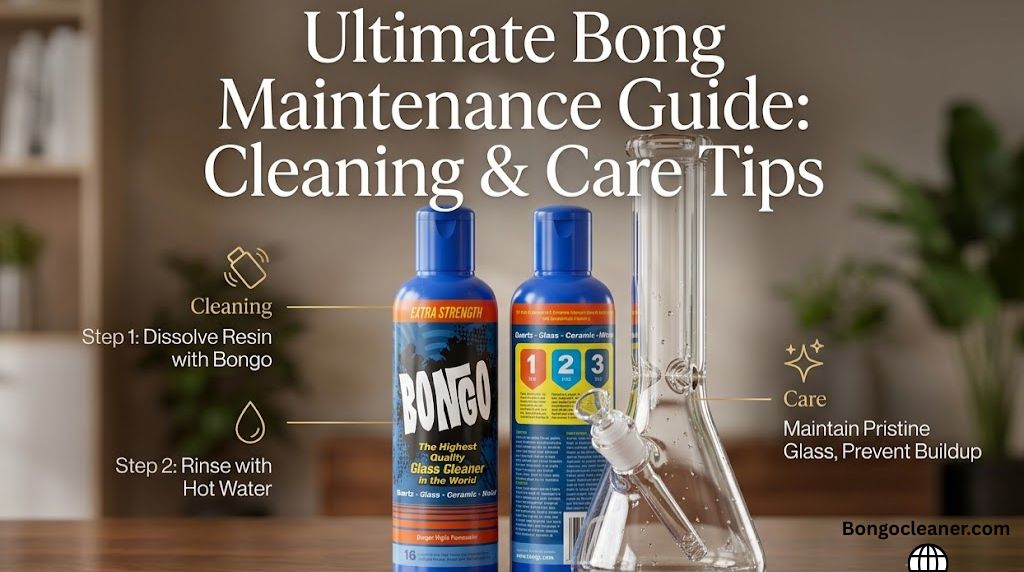
- Step 2: The Molecular Strike. Forget abrasive salt and harsh isopropyl alcohol. These DIY methods can scratch delicate borosilicate and leave a chemical aftertaste. Apply a specialized glass cleaner like Bongo. It's engineered to dissolve the molecular bond between resin and glass instantly.
- Step 3: Agitation and Saturation. For daily maintenance, a quick 60-second shake does the trick. For deep restoration of neglected pieces, let the solution soak. The formula does the heavy lifting so you don't have to.
- Step 4: The Crystal Finish. Perform a final rinse with purified or distilled water. This prevents mineral spots and ensures a factory-fresh look every time.
Daily Maintenance vs. Deep Cleaning
Follow the 24-hour rule. Change your water daily to prevent biofilm from anchoring to your glass. If your piece has a yellow tint or a persistent swamp smell, a simple rinse isn't enough. You need a deep restoration. Keep your bowls clear between sessions by wiping them with a cotton swab while they're still warm. This prevents the carbon cap from hardening into a permanent crust.
Why Water Quality Matters
Tap water is the enemy of clarity. Hard water contains calcium and magnesium that leave stubborn white stains. These are mineral deposits, not resin, but they're just as ugly. The "cloudy glass" phenomenon occurs when mineral deposits from tap water bond with microscopic resin particles, creating a permanent haze that ruins aesthetics. Use distilled water to keep your glass crystal clear for longer. It lacks the minerals that cause scaling and keeps your percolators firing at 100% efficiency.
Don't settle for a sub-par experience. Get the professional results your collection deserves. Buy Bongo Glass Cleaner now to restore your piece to its peak condition instantly.
Bongo Glass Cleaner: The Professional Restoration Solution
Stop settling for "clean enough." Your glass is a major investment. It deserves a professional finish that protects your health and your high. We've spent this guide answering the critical question: is a dirty bong bad for you? The answer is clear. Pathogens, biofilms, and tar are real threats to your respiratory system. Bongo Glass Cleaner is the definitive answer to those threats. It's engineered specifically for the molecular structure of resin. It doesn't just move the gunk around; it dissolves it on contact.
Eliminate the need for abrasive salt. Coarse salt can create microscopic scratches in high-end borosilicate glass. These tiny fissures become permanent breeding grounds for future bacteria and mold. Bongo Bong Cleaner provides a showroom shine in minutes, not hours. It's safe, effective, and designed for the modern connoisseur who values their time and their lungs. Achieve total clarity without the risk of damaging your favorite piece.
Bongo vs. Salt and Alcohol: The Performance Gap
DIY methods are outdated. Isopropyl alcohol and salt are messy, inconsistent, and often leave a sticky residue behind. Bongo Glass Cleaner is faster and more efficient. It targets the stubborn lipids and resins that alcohol misses. You also avoid that lingering, medicinal "alcohol smell" that ruins the first few hits after a clean. When you factor in the time saved and the superior results, Bongo is the most cost-effective choice for serious enthusiasts. Don't waste bulk ISO on a sub-par result. Use a formula that works as hard as you do.
Instant Results with Bongo Bong Cleaner
Achieve total restoration with liquid power. Bongo products are designed for instant resin removal. Simply apply, agitate, and rinse. It's that easy. Our formula excels at targeting hard-to-reach percolators where brushes simply cannot reach. It flows into every crevice, stripping away biofilm and tar without the struggle. If you're tired of wondering if is a dirty bong bad for you, take the guesswork out of your maintenance. Reclaim your flavor. Protect your lungs. Experience the difference of a professional clean today at the Bongo Glass Cleaner product page.
- Molecular Engineering: Breaks down resin at a chemical level for instant removal.
- No-Scrub Formula: Liquid power reaches deep into complex percolators.
- Glass Safety: Non-abrasive ingredients protect expensive borosilicate.
- Pure Results: Leaves zero residue and zero chemical odor.
Your session is only as good as your glass. Don't let a week of neglect turn into a health hazard. Restore your piece to its peak condition and enjoy the pure, unadulterated flavor of your flower. It's time to demand more from your cleaning routine. Choose the professional solution and see the difference clarity makes.
Reclaim Your Clarity and Peak Performance
You've seen the science. Biofilms and pathogens don't wait. They anchor to your glass in as little as 24 hours. If you're still asking is a dirty bong bad for you, the answer is in the persistent cough and the muted flavors you've been settling for. Don't let a biological hazard sabotage your premium flower or your long-term lung health. You've invested too much in your collection to let it become a toxic health risk.
It's time for a professional restoration. You deserve a smooth, unrestricted hit that highlights every terpene profile. Bongo Glass Cleaner is the definitive choice for crystal-clear results. It eliminates resin on contact and is safe for all borosilicate glass. Stop fighting the grime and start enjoying the "new glass" taste every single session. It's fast. It's effective. It's the only way to ensure your glass performs as well as it looks.
Restore your glass to peak performance with Bongo Glass Cleaner and experience the immediate relief of a truly clean piece. Your lungs will thank you. Get back to the pure hits you deserve today.
Frequently Asked Questions
How often should I change my bong water?
Change your water after every single session. Stagnant water becomes a biological hazard within 24 hours. Bacteria and mold thrive in moist, resinous environments. Fresh water ensures a clean hit and prevents the formation of thick, stubborn biofilm. It’s the simplest way to maintain a safe smoking experience and preserve the flavor of your flower.
Can a dirty bong cause a chest infection?
Yes, it absolutely can. Inhaling pathogens directly into your lungs leads to serious issues like bronchitis or pneumonia. If you're wondering if is a dirty bong bad for you, consider the medical risks of "Bong Lung." Bacteria and mold spores thrive in neglected water, creating a direct path to infection. Don't gamble with your respiratory health; keep your glass sterile for a safe experience.
Is it okay to clean my bong with just boiling water?
No, boiling water is insufficient and dangerous. It can cause thermal shock, cracking your expensive glass instantly. Boiling water also lacks the chemical power to dissolve the molecular bond of resin. It won't kill every pathogen hiding in a thick biofilm layer. You need a dedicated cleaner to strip away the tar and bacteria effectively without risking your piece.
What is the white film inside my bong?
That is likely hard water scale. Calcium and magnesium minerals from tap water leave a cloudy, white residue on your glass as the water evaporates. While it isn't as dangerous as mold, it ruins the aesthetic and creates a rough surface where resin can easily stick. Switch to distilled water to keep your piece crystal clear and prevent mineral buildup.
How do I know if there is mold in my bong?
Look for black, green, or pink spots on the glass. Mold often appears as a fuzzy growth or a persistent, slimy ring at the water line. A foul, swampy odor is another dead giveaway. If you see these signs, stop smoking immediately. You need a professional deep restoration to eliminate the spores and protect your lungs from infection.
Is Bongo Glass Cleaner safe for all types of glass?
Bongo Glass Cleaner is specifically engineered for high-quality borosilicate glass. Our non-abrasive formula removes resin without scratching or weakening the surface. It’s the professional choice for maintaining the integrity and value of your collection. Whether you have a simple beaker or an intricate multi-perc rig, our cleaner delivers a showroom shine every time.
Does a dirty bong affect the potency of my flower?
Yes, a dirty piece sabotages your potency. Accumulated resin acts as a sticky trap, absorbing THC and delicate terpenes before they ever reach your lungs. You're wasting expensive flower by pulling it through a filter of old tar and gunk. Clean glass ensures you get the full, unadulterated effect and flavor of every single hit.
How can I prevent resin from building up so fast?
Frequent maintenance is the only secret. Rinse with warm water after every use to prevent resin from hardening. Using a professional solution like Bongo Glass Cleaner regularly ensures that grime never gets a chance to anchor to the glass. It’s the fastest way to maintain peak performance and stop the cycle of heavy scrubbing. Daily care beats deep cleaning every time.