Cart
0
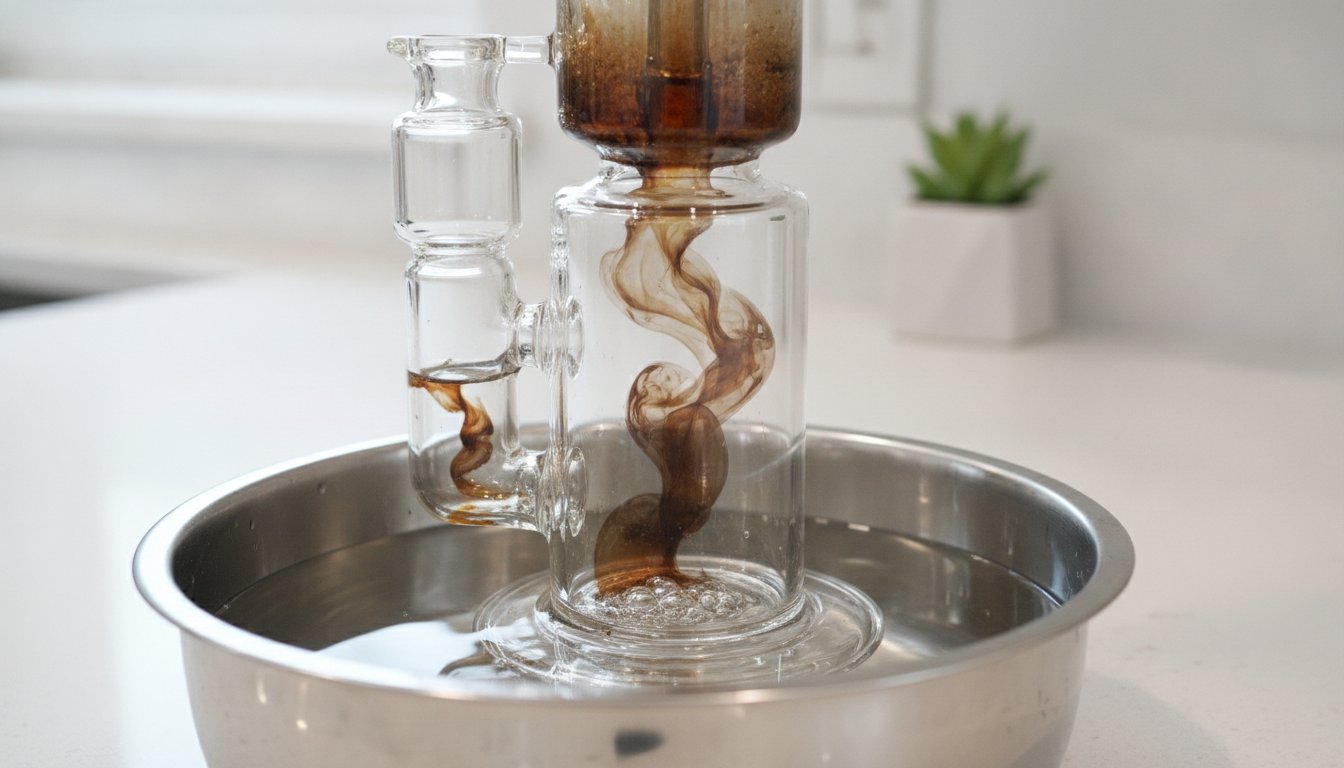
Why are you still scrubbing your glass like it's a dirty dinner plate? Brute force is for amateurs. Chemistry is for professionals. With over 64 million Americans now part of the community, the standard for a premium experience has never been higher. Learning how to clean a glass pipe shouldn't involve a messy workout or a room smelling like a hospital wing. You want results. You want them now.
We know the frustration. That stubborn, sticky resin feels like it's fused to the glass. The lingering odors are ruining your flavor. It's a mess. It's time-consuming. It's unnecessary. This guide is your definitive shortcut to professional clarity. Discover the fastest, most effective methods to strip away grime and restore your glass to its original, crystal-clear glory.
We're moving past the outdated hassle of isopropyl alcohol and salt. We're focusing on total restoration with zero residue and zero aftertaste. You'll learn a fast, effortless routine using high-performance solutions like Bongo Glass Cleaner to keep your pieces in peak condition. Stop scrubbing. Start dissolving. Let's get that glass clear.
Key Takeaways
- Understand the science of resin buildup and why combustion creates permanent layers that distort your material's true flavor profile.
- Discover the definitive, no-scrub method for how to clean a glass pipe to achieve professional-grade clarity in minutes.
- See why messy DIY hacks like salt and alcohol are obsolete and how specialized formulas protect your high-end glass from micro-scratches.
- Master a fast, effortless routine to restore your entire collection to its original, showroom-quality condition.
Why Regular Glass Pipe Maintenance is Non-Negotiable in 2026
Clean glass isn't a luxury. It's the baseline. In 2026, the modern enthusiast demands more than just a functional piece; they demand perfection. Glass pipe cleaning is the aggressive removal of carbonized resin and tar buildup that inevitably accumulates after every use. This isn't just about making your shelf look good. It's about restoring the fundamental engineering of your glass. Understanding how to clean a glass pipe is the only way to reclaim your investment and ensure your gear performs exactly as intended.
Peak performance relies on physics. Every layer of resin narrows your airway, creating drag and forcing you to work harder for every hit. Clear airways ensure optimal airflow and significantly smoother results. When your pipe is spotless, the smoke moves freely, cooling properly before it reaches you. You stop fighting your equipment and start enjoying it. It's simple: better flow equals a better experience.
Health is the ultimate priority. Stale, stagnant debris isn't just gross; it's a hazard. The Science of Buildup illustrates how these sticky residues trap moisture and organic matter. This creates a perfect environment for mold and bacteria to thrive. Proactive maintenance with a dedicated solution like Bongo Glass Cleaner prevents these risks before they start. Don't inhale the past. Keep it fresh.
The Flavor Impact of Accumulated Resin
Old resin is a flavor thief. It introduces a bitter, acrid taste profile that completely masks the delicate terpenes of your material. You're paying for quality, so why let a layer of burnt oil ruin it? Clean glass preserves the true essence of what you're using. It provides a neutral, transparent canvas that lets the flavor shine through. Experience the difference of a "day one" hit every time you light up. If it's not crystal clear, you're missing out on the full profile.
Hygiene Standards for the Modern Enthusiast
That lingering "swamp" smell is a red flag. It's the scent of bacterial growth and neglected maintenance. Modern standards for hygiene are higher than ever, and a dirty pipe is simply unacceptable. Regular maintenance is the only way to ensure a truly sanitary experience. By using a fast-acting formula like Bong Cleaner, you eliminate odors permanently and sanitize your piece in seconds. It’s about more than just looks; it's about respect for your health and your hobby. Professional clarity is just one rinse away.
Understanding Resin and Tar: The Science of Buildup
Resin is relentless. It isn't just a surface stain; it's a chemical bond. To master how to clean a glass pipe, you have to understand the opponent. Resin is a complex organic byproduct of combustion. When you apply heat, you aren't just burning material. You're creating a high-temperature chemical reaction that produces sticky, non-polar oils and carbonized tar. These substances hit the cool surface of your glass and instantly solidify, creating a foundation for the next layer to grip. It's an additive process that turns your pristine glass into a textured, resinous mess.
Heat is the catalyst for this disaster. Every time you light up, the combustion process bakes the existing layers of tar deeper into the glass. This creates a "baked-on" effect similar to a dirty oven. Over time, these layers become carbonized and incredibly hard. Simple friction isn't enough to move them. You need molecular intervention. You need a solution that doesn't just scrub the surface but actually breaks the bond between the glass and the organic oils. This is the difference between a quick rinse and a total restoration.
Physics is the reason your current routine might be failing. Water is a polar molecule. Organic tar and resin are non-polar. In the world of chemistry, "like dissolves like." Because water and resin are on opposite ends of the polarity spectrum, they repel each other. This is why water beads off a resinous pipe instead of soaking in. To get results, you need a solvent that matches the non-polar nature of the resin. For those ready to stop fighting physics, a professional-grade resin solvent is the only logical choice for an instant deep clean.
Why Hot Water Isn't Enough
Many enthusiasts reach for the tap, but hot water is a trap. It softens the resin just enough to make it smear, turning a localized spot into a greasy film that covers the entire interior. Even worse, you risk thermal shock. Pouring boiling water into cold, high-end borosilicate glass can cause immediate stress fractures or total failure. Since resin is hydrophobic, it will never truly dissolve in water, no matter how hot it gets. You're just moving the mess around.
The Anatomy of a Dirty Pipe
Buildup isn't uniform. It follows the path of least resistance. Tar accumulates in the bowl and downstem first, where the smoke is hottest and most concentrated. From there, it migrates into the harder-to-reach areas:
- Percolators: These tiny slits trap debris and ash, becoming clogged and killing your airflow.
- Tight Corners: Traditional brushes can't navigate the complex curves of a modern glass piece.
- Water Lines: Mineral deposits from tap water mix with resin to create a stubborn "ring" that's nearly impossible to remove with soap.
Deep cleaning requires a liquid solution that can flow into every microscopic crevice, dissolving the tar where your hands can't reach. It's about total coverage and chemical destruction.
Professional Formula vs. DIY Hacks: The Truth About Salt and Alcohol
Don't settle for the kitchen sink method. Most people think they know how to clean a glass pipe because they've seen the salt and shaking routine on an old forum. It's primitive. It's messy. It's a massive waste of your valuable time. Isopropyl alcohol and coarse salt have been the standard for years, but only because enthusiasts didn't have access to professional grade chemistry. In 2026, relying on DIY hacks is like using a rotary phone in a 5G world. It works, but it's painfully slow and unnecessarily difficult.
The mess factor alone should be enough to make you switch. Think about the process. You're hunting for a leak proof bag. You're pouring salt that inevitably ends up all over your counter. You're shaking the piece like a maniac, praying you don't lose your grip and shatter your investment against the faucet. Then there's the stench. Alcohol mixed with old tar creates a nauseating, clinical odor that clings to your skin and lingers in your sink for hours. It’s a chore that nobody actually enjoys.
The Hidden Risks of Abrasive Cleaning
Salt is a crystal. It's hard and sharp. When you shake it vigorously against your glass, you aren't just moving resin. You're creating microscopic scratches on the surface of your piece. You can't see them with the naked eye yet, but they're there. These micro fissures weaken the structural integrity of your expensive borosilicate glass over time. Even worse, those scratches create a toothy surface. Resin loves texture. Scratched glass traps resin significantly faster in the future, meaning your pipe gets dirty twice as quick after every session. Maintain that factory finish with a non abrasive solution that targets the resin, not the glass.
Efficiency Metrics: Time is Money
Let's look at the clock. Even high purity alcohol is a relatively slow solvent. For heavy, baked on buildup, you're looking at hours of soaking. You're waiting around for a maybe clean. Compare that to the Bongo Glass Cleaner experience. It's a simple pour, a quick wait, and a rinse. You achieve a deeper clean in 60 seconds than DIY methods do in 60 minutes. Professional formulas offer a pour and restore simplicity that fits into a modern lifestyle. Why spend your night shaking a bag of salt when you could be enjoying a crystal clear piece? Efficiency isn't just about speed; it's about reclaiming your time. Professional formulas neutralize odors at the molecular level, leaving your glass neutral and ready for action immediately.

How to Clean a Glass Pipe for Instant, Crystal Clear Results
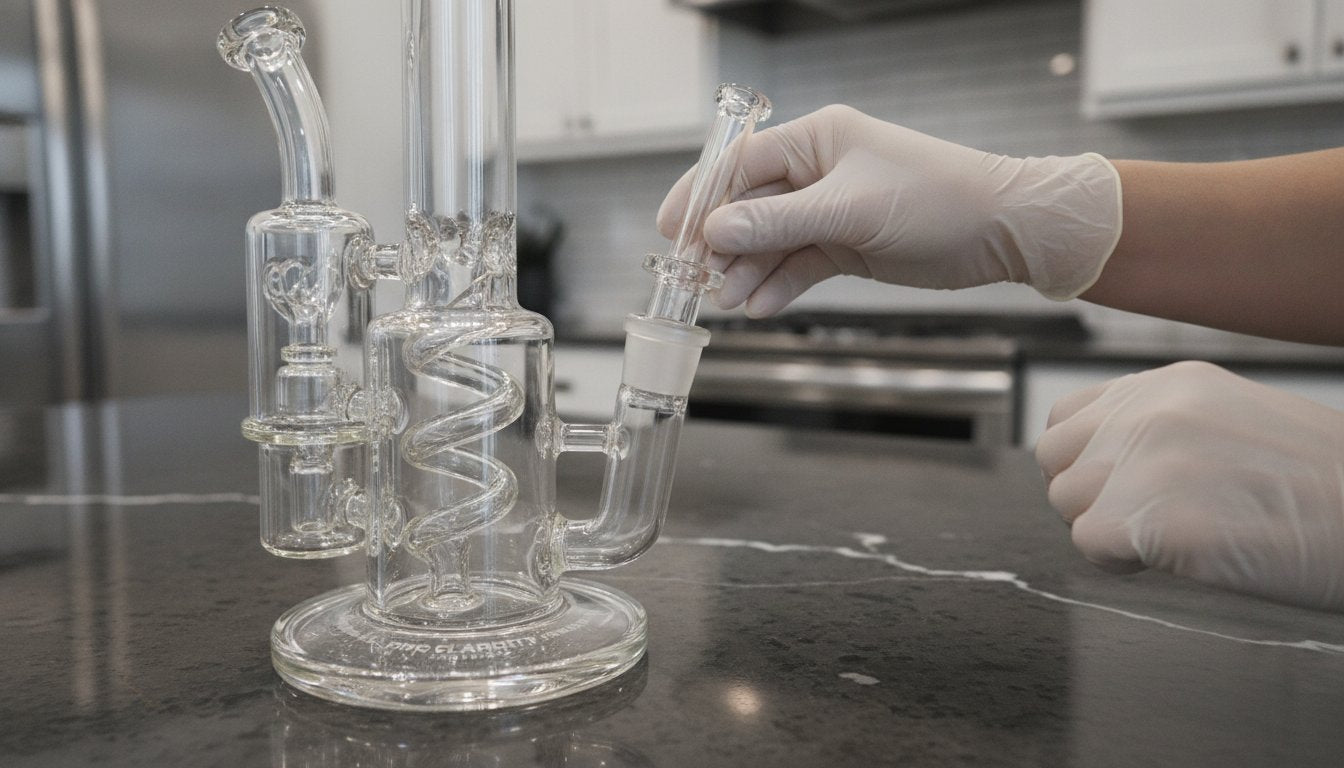
Efficiency is the goal. You want a piece that looks, smells, and performs like it just came off the gallery shelf. Learning how to clean a glass pipe effectively means moving away from the "shake and pray" methods of the past. It's time for a streamlined, professional approach. Before you begin, preparation is key. Empty all loose debris and ash. A quick tap over a waste bin ensures the cleaner targets the bonded resin rather than floating surface ash. This simple step saves time and ensures your solution works at maximum potency.
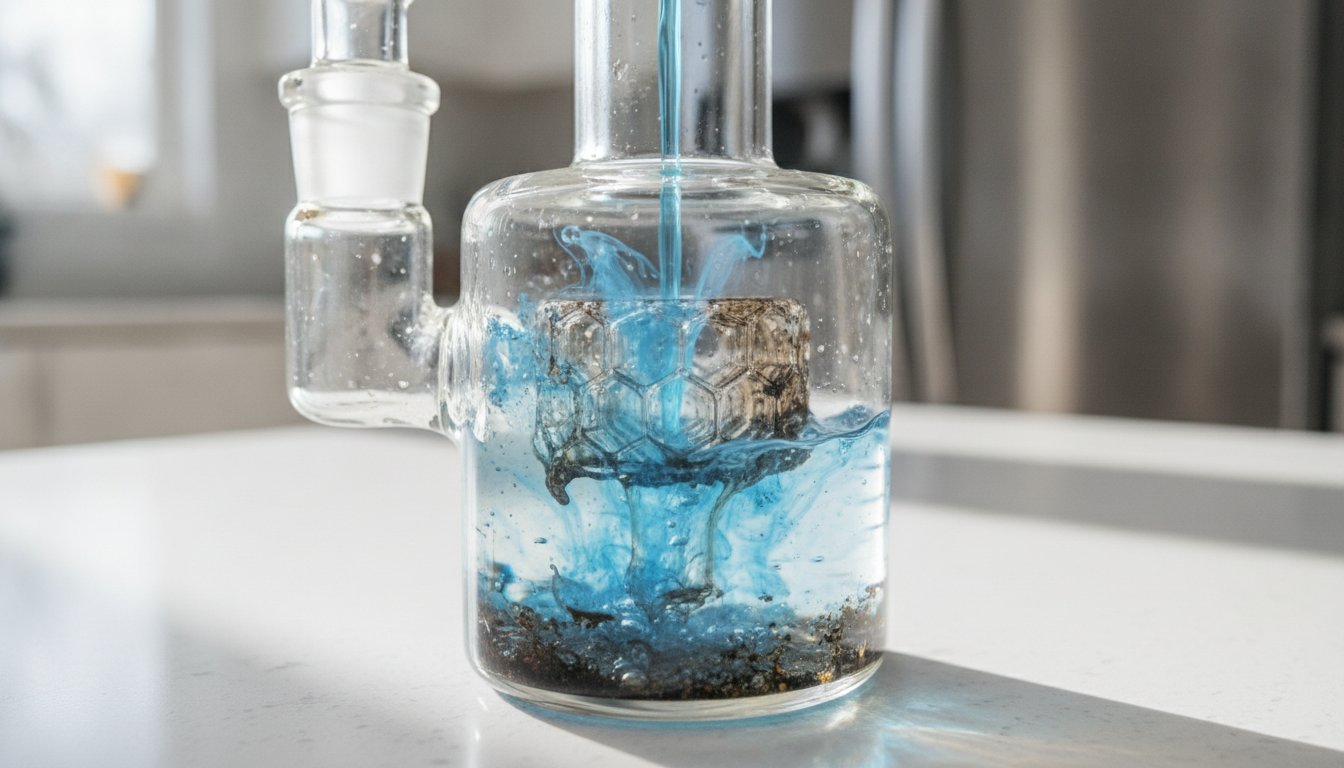
Next comes the transformation. The Pour is where the magic happens. Use enough Bongo Glass Cleaner to coat the entire interior of the piece. You don't need a massive amount; you just need total coverage. This isn't just liquid; it's an engineered strike team for resin. Once the glass is coated, move to The Wait. Allow the specialized formula to penetrate the resin layer. Unlike alcohol, which sits on the surface, this formula dives deep into the molecular bonds we discussed earlier. It's doing the work so your arms don't have to.
The final stages are about the reveal. The Rinse uses warm water to wash away the dissolved tar effortlessly. You'll see the grime slide off the glass in dark, satisfying sheets. Finally, The Dry is your finishing touch. Air dry or use a lint-free cloth for a streak-free shine that mirrors a showroom finish. No spots. No film. Just pure clarity. Ready to experience this for yourself? Grab the formula that destroys resin on contact and see the difference in seconds.
Step-by-Step Deep Cleaning Manual
- Containment: Place the pipe in a small container or sealable bag to minimize waste and maximize contact.
- Submersion: For heavy, neglected buildup, submerge the piece entirely in Bongo Glass Cleaner. Let it sit while the chemistry breaks down the carbonized layers.
- Verification: Rinse thoroughly until the water runs clear and the glass sparkles. If you see a spot, the solution hasn't reached it yet.
Cleaning Tight Spots and Percolators
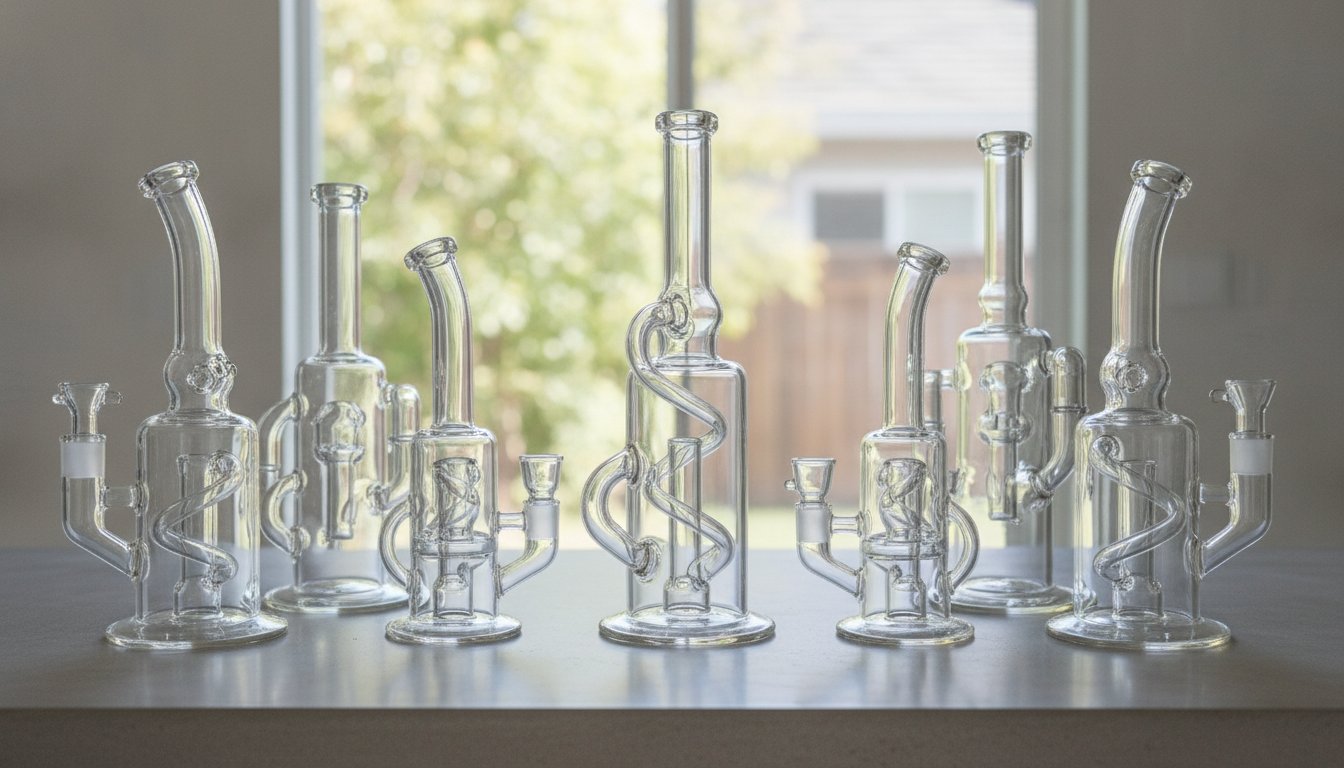
Intricate glass requires a different strategy. Don't force a brush into a delicate percolator; you'll risk a snap that ruins the piece. Let the liquid do the work in hard-to-reach chambers. The low-viscosity formula flows into every slit and corner that a brush could never touch. For the bowl itself, use a pipe cleaner or cotton swab dipped in the solution for those tiny details. Ensure all internal pathways are clear for maximum airflow. When the pathways are open, the performance is unmatched. Your glass is an investment. Treat it with the professional care it deserves.
Restoring Your Collection with Bongo Glass Cleaner
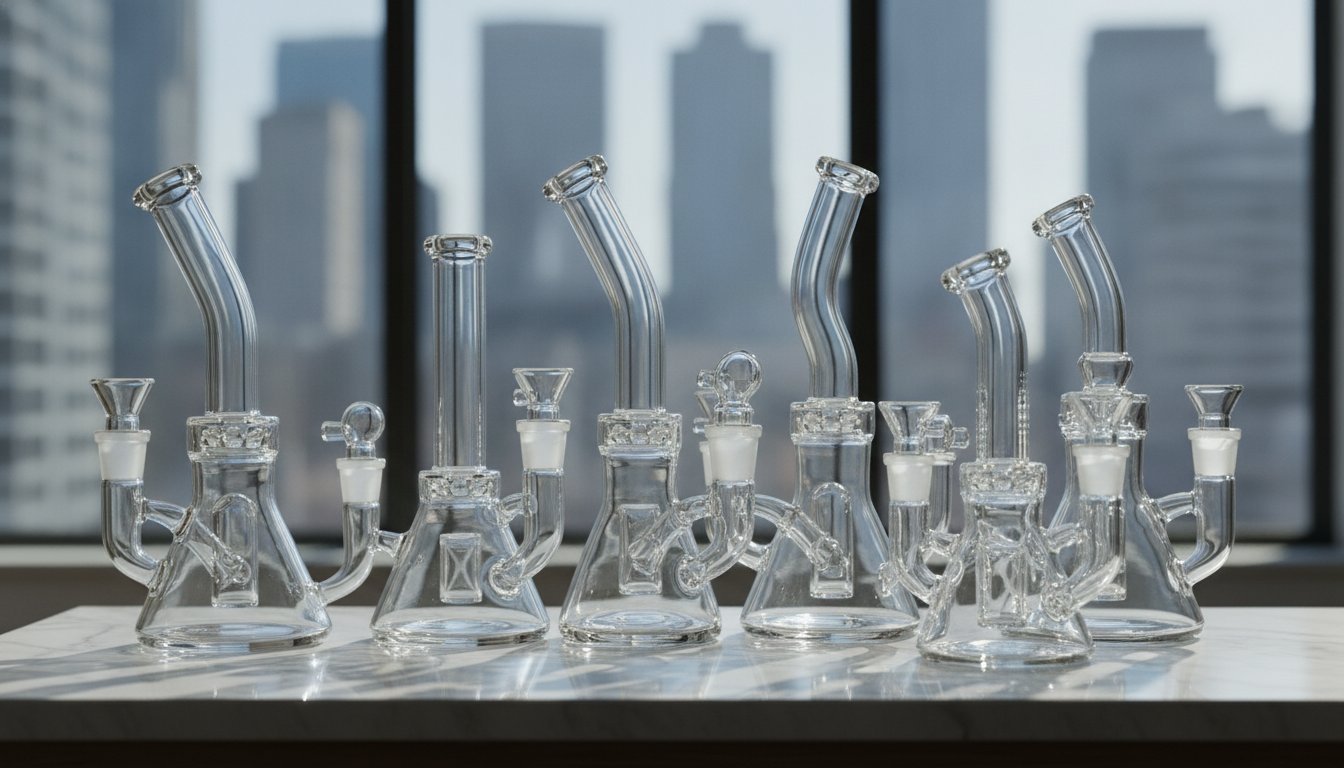
Stop settling for "clean enough." Your glass deserves professional clarity. You now have the ultimate blueprint for how to clean a glass pipe, but the real secret is the chemistry you choose. Bongo Glass Cleaner is engineered specifically for total resin destruction. It doesn't matter if you have a simple chillum or a complex, multi-chamber bubbler. This formula is universal. It's safe. It's relentless. It restores your entire collection to its peak condition without the exhausting DIY frustration of the past. You've invested in your glass; it's time to protect that investment with a solution that actually works.
The transition to professional maintenance is a game changer. Most enthusiasts spend years fighting resin with outdated hacks before realizing there's a better way. Our formula provides no-nonsense results that you can see instantly. You'll notice the difference the moment the solution touches the glass. The dark, stubborn tar simply disappears. This isn't just about aesthetics; it's about performance. When your glass is truly clear, your material tastes better, your hits are smoother, and your sessions are more satisfying. It's a total transformation for your gear.
Why Bongo Glass Cleaner is the Definitive Solution
Our proprietary formula is fast. It's powerful. It's incredibly effective. Most importantly, it's reliable. We didn't design this for surface-level cleaning. We designed it for deep, molecular restoration. When you use Bongo Glass Cleaner, you aren't just washing a piece; you're preserving high-end glass for the long haul. It leaves zero residue. It leaves zero aftertaste. Join the thousands of enthusiasts who have already ditched the salt and alcohol mess for a faster, smarter way to maintain their collection. Professional results are no longer a chore. They're the new standard.
Daily Maintenance Tips for Peak Performance
Clarity is easy to keep once you achieve it. You've mastered how to clean a glass pipe like a pro, so don't let it slide back into a resinous mess. Proactive care is the mark of a true enthusiast. Follow these simple steps to ensure your collection stays pristine between deep cleans:
- The Quick Rinse: After every session, use warm water to rinse away loose debris. This simple habit prevents heavy, carbonized buildup from taking hold in the first place.
- The Weekly Refresh: Use a small amount of Bong Cleaner once a week for a rapid refresh. This keeps the glass neutral and prevents stagnant odors from developing.
- Smart Storage: Store your glass in a dust-free environment. Dust and airborne particles can mix with microscopic resin to create a dull film over time.
- Check the Physics: Inspect your percolators and tight corners regularly. Even a small blockage kills your airflow and ruins the experience.
Consistency is the key to longevity. Keep your gear in peak condition and enjoy the pure, undistorted flavor you deserve. Your collection is a reflection of your standards. Keep it crystal clear.
Reclaim Your Professional Clarity Today
You're no longer stuck with the slow, abrasive methods of the past. You've seen the science. You know that molecular destruction of resin is the only way to achieve true, showroom-level clarity. Scrubbing is a choice, and it's a choice that wastes your time. By choosing chemistry over brute force, you protect your investment and ensure every hit is as fresh as the first one. It's about total restoration, not just a surface rinse.
Mastering how to clean a glass pipe doesn't have to be a messy weekend project. It’s about working smarter. By ditching the salt and alcohol for a targeted solvent, you preserve your piece's structural integrity and lock in the pure flavor profile of your material. No scratches. No lingering odors. Just pure, transparent glass that performs exactly as intended.
It's time to experience the transformation yourself. Our proprietary resin-dissolving technology is trusted by thousands of glass enthusiasts and delivers 100% satisfaction in every bottle. Get Bongo Glass Cleaner Now for Instant Restoration! Your collection is an investment that deserves the best care available. Keep it sparkling. Keep it professional. Enjoy the crystal-clear results you deserve.
Frequently Asked Questions
How often should I clean my glass pipe for the best flavor?
Clean your piece every 1-2 days for the best experience. Flavor purists should clean after every single session. Fresh glass is the only way to taste the true terpene profile of your material. Letting resin sit allows it to harden and oxidize, making it much harder to remove later. A quick daily routine ensures your pipe stays in showroom condition and prevents bacterial growth.
Can I use boiling water to clean my glass pipe safely?
Avoid boiling water at all costs. It's a major safety risk for your glass. Thermal shock can cause even premium borosilicate glass to crack or shatter instantly. Water is also a polar molecule, while resin is non-polar. They don't mix. You'll likely just smear the sticky oils around the interior without actually achieving professional clarity. Stick to specialized solvents for real results.
Is Isopropyl alcohol and salt the best way to clean glass?
Alcohol and salt are common DIY hacks, but they're far from the best. Alcohol is a slow-acting solvent that often requires hours of soaking for heavy buildup. Salt is an abrasive crystal that can create microscopic scratches on your glass surface. These scratches actually trap resin faster in the future. Professional formulas offer a faster, safer, and more effective restoration without the abrasive mess.
How do I clean a glass pipe with a percolator or complex chambers?
Use a liquid-based professional cleaner that can penetrate every tight crevice. Brushes and pipe cleaners can't navigate the intricate internal pathways of a percolator without risking a break. Pour the solution in and let the chemistry do the heavy lifting. This is the most effective way to learn how to clean a glass pipe with complex internal chambers and ensure maximum airflow.
Why does my glass pipe still smell after I clean it?
Lingering odors are a sign of microscopic resin or bacteria still trapped in the glass. Standard soap or DIY methods often leave a greasy film behind that holds onto foul smells. A professional-grade cleaner neutralizes these odors at the molecular level instead of just masking them. If the smell remains, you likely need a deeper soak to reach hidden debris tucked away in the downstem.
Will professional cleaners damage the color or labels on my glass?
High-quality cleaners are generally safe for borosilicate glass and fused labels. Bongo Glass Cleaner is specifically designed for high-end glass preservation. However, some third-party decals or "cold-fused" designs can be sensitive to powerful solvents. Always test a small, hidden area first if you're worried about external artwork. Your glass's structural integrity remains the top priority during any deep clean.
What is the fastest way to remove heavy resin buildup?
The absolute fastest way is using a dedicated resin-dissolving formula like Bong Cleaner. You don't need to wait overnight. These high-energy products target the chemical bonds of the tar and break them down in seconds. It's the ultimate shortcut for anyone looking for how to clean a glass pipe that hasn't been touched in weeks. Speed and efficiency are just one pour away.